
Chimney Block guide: Explore types, sizes, costs, buying tips, and Chimney Block Home Depot options for safe chimney projects.
A chimney project It may seem simple on the outside, but it can quickly become complicated. Blocks, liners, hoods, flashing, airflow problems, moisture issues, and safety rules to contemplate about. And so it is the confusing part: The sentence chimney block It can mean two different things in daily use. Some people Importance a masonry unit used in chimney construction, While others analyze a method To block an unused chimney To reduce drafts.
Both uses are frequent, and both are deserved. A clear explanation.
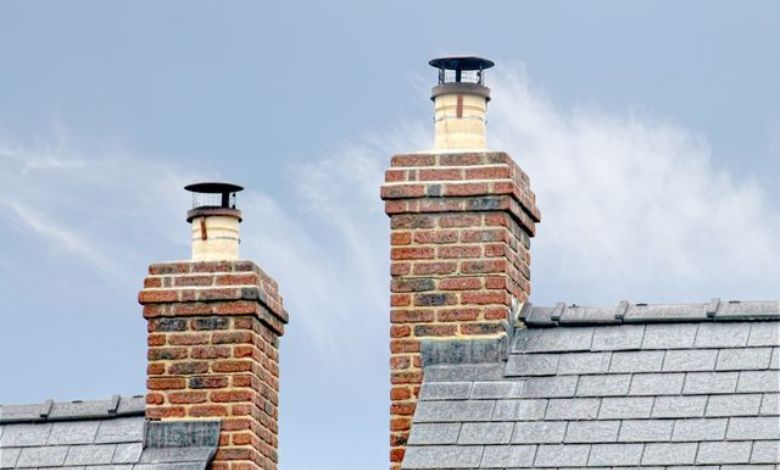
A residential chimney is part of a larger system. Its function is to supervise the combustion gases safely out. The home, And the chimney structure, liner and weather protection details all matter. Brick Industry Association Guidance Notes that flue liners must be in accordance with ASTM C315, that the liners must be properly supported, and that chimneys warrant durable masonry and weather protection such as flashing and caps.
If you are doing research. DIY chimney block, Comparison Chimney Block Home Depot listings, or trying to block them. An unused fireplace, This guide will take you through the key Practical details, homeowner- friendly way.
What Is A Chimney Block?
A chimney block is a masonry unit used in chimney construction. In product listings, It is often referred to a block Designed with a center cavity Who accepts a chimney flue liner. That is to express the block Helps form. The outer chimney structure, While the liner Moves smoke and exhaust safely upwards. Home Depot listings Display chimney blocks in sizes such as 8 in. X 8 in. X 16 me and 12 In x 12 In x 16 I, with the block Dimensions and flow openings are listed separately.
That distinction matters. There is no external block. The same thing: Seam the liner. Block supports. The chimney structure, while the liner handles the heat and gases. Good chimney design depends on the whole system working together.
Main Types Of Chimney Block
No all chimney systems use the same material.
Concrete Chimney Block
Concrete chimney blocks I’m ordinary traditional masonry construction. They are substantial, durable and widely used exterior chimneys. Home Depot’ s concrete chimney block listings demonstrate standard masonry- style dimensions and flue sizes, It makes them a familiar option to many contractors and DIY readers.
Pumice Chimney Block
Pumice chimney blocks is a lighter, more insulating option. According to Schiedel’s Isokern, the pumice chimney system is lightweight, thermally efficient, and appropriate for newly constructed or remodeled fireplaces. It also says that the system helps sustain the flue gases warm draft performance In case of reduction heat transfer To the outer surface.
Traditional Masonry- Style Systems
Certain chimney systems are selected in part for their aesthetic appeal, particularly in areas where the chimney would be visible from the exterior. The home. In those cases, the goal is not only performance, but also how the structure comes with the rest of the house. Emphasis is placed on guidance from the Teglindustriforeningen. Those chimneys were weathered and needy. Proper construction, Lining, glitter and cap to stay durable over time.
Why Chimney Block Size Matters
One of the easiest mistakes Making means choosing by appearance rather than dimensions. A chimney block must fit the flue liner And the chimney Design If the sizes don’t match the system cannot function properly.
Home Depot’ s chimney block listings Reveal that size is not one size fits all. For model, an 8 inch x 8 inch x 16 I concrete chimney block An 8 in. X 8 in. Is listed for flow, while other listings show larger configurations Favor 12 In x 12 In x 16 in blocks When you apply Chimney Block Home Depot, focus three things first:
- The block’ s outside dimensions
- The flue opening size
- About the product Matches your chimney system or liners
That simple habit Saves a lot headaches later.
Chimney Block Vs Brick Chimney
This is one Most of all common comparisons.
A brick chimney is the classic option. It often gives. A home has a traditional look and can be very durable when properly constructed and maintained. A chimney block system Assembly can be faster and dimensioning around can be easier. The liner depends on the product and the project.
The main difference is not just appearance. It is too construction style and performance. The Brick Industry Association emphasizes guidance. That chimney systems demand proper liner support, Weather protection, and durable masonry details. Based on pumice chimney systems, In the meantime can offer faster assembly And better insulation performance in some applications.
A good way to think of it is this way: the brick often wins. Traditional appearance, While chimney block Systems can win on speed, modularity and sometimes. Thermal performance.
What Does A Chimney System Work?
A chimney block is just one piece of the system. Depends entirely on the chimney several parts working together.
The Flue Liner
The flue liner takes smoke and combustion Safe evacuation of gases into the home. The Brick Industry Association’s guidance says. Flue liners must be in accordance with ASTM C315 and get proper support for the chimney system.
The Outer Block Or Masonry Shell
This is the structural part which surrounds the liner and helps to form. The chimney.
Shining
Flashing helps prevent substance ingress. The chimney fashioned the roof. Go Brick Industry Association Note that chimney flashing is an important part of weather protection.
A Chimney Cap
A chimney cap helps rain, debris, and animals, and it supports its long- term durability.
Mortar And Joints
The masonry joints Chimneys must be properly constructed and maintained because they are exposed to wind, rain and temperature swings.
How To Block An Unused Chimney
Sometimes the search to block It’s really about preventing moving an old fireplace or unused flue. That is to say a different job from chimney construction.
If your goal is to reduce heat loss, there are several common methods.
Chimney Balloon
A chimney balloon is an inflatable draft stopper retained inside the flue. It is temporary, reversible and useful when you desire it. A simple blocking solution without permanent changes.
Chimney Cap And Dampens
A cap And a damper can help reduce airflow and maintain the weather out while keeping the weather safe.
The Option Of Future Use Of Masonry To Block
This is the most. Permanent option. It uses masonry materials sealing the flue. Because it can have an effect. The structure, moisture balance, and ventilation of the room, It should be planned carefully.
Historic England explains that draught- proofing a chimney can reduce heat loss, but it also warns that chimneys can still engage a ventilation role and it can create blocking of them without taking into account the humidity. Damp problems.
That is to say the part many homeowners miss is not just a blocked chimney. A sealed opening. How can that change? The room behaves If the airflow is too long, moisture can build up and this can supervise condensation or mold. Historic England Note in particular the balance Between reducing drafts and maintaining ventilation.
How To Prepare Before Blocking A Chimney
Before you block. Any chimney, Check it out first.
Search for:
- Cracks the masonry
- Loose or damaged mortar
- Construct- up of soot or creosote
- Signs of water damage
- Structural issues I the flue
If the chimney If something is dirty, clean it thoroughly before sealing it. That helps reduce and build up odors. The space is safer to occupy.
Depending on the method, you may need:
- Safety goggles
- Gloves
- A ladder
- Insulation or draft blocking material
- Masonry tools
- A chimney balloon, Hat, or damper components
If the chimney is visible damage Or are you planning? a permanent masonry closure, Acquire professional advice the safest route.
Safety And Ventilation Matter
This is the part worth repeating. A chimney just isn’t a hole in the wall. This is part of the home’ s Extraction and moisture behavior. Go Chimney Safety Institute Of America Urges homeowners to function. Trained chimney and ventilation professionals for inspection and safety concerns.
If you block a chimney, Be careful not to cook a new moisture problem trying to solve a draft problem. Historic England’ s Guides the same point: to reduce heat loss Useful, but ventilation remains to be considered.
Shopping Tips For Homeowners
When comparing products, don’t trust the product name alone. Review on the dimensions Careful Search for:
- Block size
- Flue opening size
- Material type
- Intended use
- Compatible with new builds or renovations
If you surf Chimney Block Home Depot, double check the product Details before you obtain. Some blocks are designed for specific flue sizes, and changes in the availability of certain products over time. The safest method is treatment. Product pages Seam current inventory snapshots, No permanent guarantees.
If you are considering a lightly isolated system, Schiedel’ s Isokern materials are worth checking out because they are built around a pumice- based construction and are designed for both new and refurbished fireplaces.
FAQs
Q. Is A Chimney Block Seam A Chimney Liners?
No The chimney block is part of the structure, While the liner takes the exhaust and heat.
Q. Can Chimney Blocks Be Used? Modern Homes?
Yes concretely and pumice systems I use both. Chimney construction depends on the project.
Q. Can I Block? An Unused Chimney Myself?
Sometimes, yes, especially with temporary draft- stopping methods. Permanent closure should be carefully planned, especially if the chimney is structural or moisture issues.
Q. Do I Still Do It? Need Ventilation If The Chimney What Is The Block?
Often, yes. To block a chimney air flow can be created without consideration. Dampness and condensation problems.
Q. Should I Call? A Professional?
Yes, if the chimney is damaged, permanently altered or part of a larger masonry or ventilation system.
Key Takings
A chimney block may resonance value a small part of the home, But it plays a big role how I the chimney system performs The block supports the structure, Acquire liner the gases, And the hat, shiny, and masonry It helps to have details the system Safe and weatherproof.
If your goal is to Select , Build the right size and material from the start. If your goal is to block. An unused chimney, Focus on airflow, humidity, and safety Before sealing anything permanently. Historic England and the Chimney Safety Institute of America both do the same basic point: A chimney can affect both heat loss and ventilation, so the fix One should rather plan carefully than hastily.
Additional resources
- Brick Industry Association: Provides technical guidance on masonry chimney construction, flue liners, flashing, chimney caps, and best building practices.
- Chimney Safety Institute of America: Offers trusted information on chimney inspections, maintenance, fire safety, creosote prevention, and finding certified chimney professionals.
- Home Depot, Chimney Blocks & Chimney Supplies: Useful for comparing chimney block sizes, product specifications, flue compatibility, and current availability of chimney construction materials.