
Indoor air quality service improves your home’s air, Reduces allergens, increases. HVAC performance, And creates a healthier space.
When people search for an indoor air quality service, occupation is normally a real problem. Can the house feel complete? Maybe the dust keeps coming back too fast. Allergies can be worse indoors. Maybe it is a musty smell which will not disappear.
Whatever the trigger, The goal is the same: find out What is the effect? the air inside the home And fix it before it happens. A bigger issue, Understand about simple DIY maintenance or professional solutions.
Indoor air quality This is essential because the air inside a home May contain contaminants that affect comfort, wellness and HVAC performance. I some cases, The indoor air can be just as polluted, or more polluted, outdoor air. This is particularly valid when ventilation is poor or when the HVAC system Not properly maintained.
What Is an Indoor Air Quality Service?
An indoor air quality service is a professional inspection and improvement process It helps with diagnosis of the air inside a home or building. It includes testing, monitoring, HVAC inspection, filtering recommendations, humidity control, and cleaning solutions.
The purpose: It’s basic: identify what influences. The air And recommend the best way To improve This. A good IAQ service Don’t rely on guesswork. It looks. The whole indoor environment, including the HVAC system, air filters, humidity levels, Ventilation, and possible pollutant sources.
Why Indoor Air Quality Matters
Most homeowners Suppose that if a home It works transparent the air This should also be transparent. Unfortunately, this is not always valid.
The EPA notes That people employ more and more. Their time indoors, Which does indoors. Air quality A large part of daily health and rest.
Poor indoor air Can contribute to symptoms such as headache, fatigue, coughing, sneezing, throat irritation, and shortness of breath. It can also produce allergies and asthma worse.
This is the reason. Indoor air quality service It just isn’t a luxury. To many families, this is an important part of keeping the home healthy and comfortable.
Common Indoor Pollutants That Affect Your Home
Indoor air quality problems They materialize often from a mix of sources.
Some of most common indoor pollutants Includes:
- Cleaning chemicals
- Secondhand smoke
- Household gases
- Dusty
- Mold and mildew
- Dust mites
- Pet dander
- Pollen
- Cola
- Bacteria and viruses
These pollutants Might sound ordinary, but they can develop over time. Some dust, a little humidity, and a clogged filter can create a lot. Bigger indoor air problem from many people expects.
How Your AC System Affects Indoor Air Quality
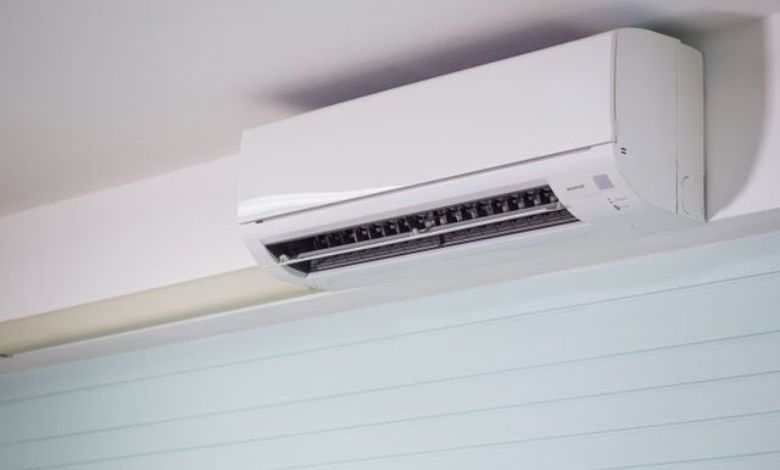
Your heating And the cooling system is running. A major role in the quality of the air inside your home. Every HVAC system Uses filters to capture dust and particles Before the wind dies down. The house. But when filters are dirty or aren’t changed often, they lose their effectiveness and allow more contaminants to spread.
This can lead to musty odors, less rest and more irritation in breathing. Your AC system also helps regulate humidity. This is also important. Much moisture can cause mold, mildew and mold bacterial growth. Contributes to creating balanced moisture. The home feels better and supports healthier indoor air overall.
Signs You May Need to Indoor Air Quality Service
Some indoor air quality issues It’s accessible to miss first. Others appear in it. The way the house feels and how people feel inside it.
You may mandate to an indoor air quality service If you notice:
- Frequent coughing or sneezing
- Respiratory irritation or difficulty breathing
- Frequent headaches
- Persistent fatigue
- Allergy or asthma flare- ups
- Mold or musty odors indoors
These warning Symptoms are often seen seasonal allergies or everyday tiredness, But sometimes the real issue is the air inside the home.
What a Professional IAQ Assessment Usually Checks
A proper indoor air quality service Seems deeper than a surface- level inspection. This usually involves the most testing and testing. Important indoor air factors.
A professional assessment can recognize:
- Airborne pollutants
- Raw and microbial concerns
- Ventilation and HVAC performance
- Humidity and temperature
Some common measurement points Includes:
- PM2.5 and PM10, The measurement of which fine dust And airborne particles
- VOCs and formaldehyde, It can emerge from furniture, paint, cleaning products and building materials.
- CO2 levels, which helps to demonstrate about fresh air circulation Enough is enough
- Humidity and temperature, which affects comfort and mold growth
This kind of testing It matters because every home has different challenges. A house can be. Dust and pet dander. It could be another. Excess humidity. It could be another. Poor ventilation or hidden mold problems.
What Can Be Done Better? Indoor Air Quality?
Once the problem is identity, the right solution depends on the source. The best indoor air quality service user targeted solutions Instead of one- size- fits- all advice.
Common improvements Includes:
Better Filtration
Traditional filters Possession airborne particles When the wind blows. The HVAC system. High performance filters and whole- home air cleaners can occupy smaller contaminants from standard filters.
Advanced Purification
Some systems are designed to help reduce certain airborne pollutants When the air circulates. The HVAC system.
UV light and air scrubbers can help reduce microorganisms such as bacteria, mold spores, and some viruses when properly designed, installed and maintained.
Humidity Control
Whole- home humidifiers and dehumidifiers Help to balance. Moisture levels. This is important because excess humidity creates a better environment to mold and bacteria.
Professional IAQ Testing
Testing helps identify hidden problems. The right fix can be implemented faster and more efficiently.
Simple Steps Homeowners Can Be Taken Immediately
Professional service It often is the best long- term solution, but there are also a few smart steps homeowners can take immediately.
Begin with the air filter. In many homes, the filters should be checked monthly and replaced every 1-3 months, depending on the filter type, HVAC use, pets and household needs. Clean filters improve air quality and help the system drive more efficiently.
Other helpful habits Includes:
- Uphold up HVAC maintenance
- Controlling indoor humidity
- Use of ventilation when cooking or cleaning
- Reduce the humidity around windows, sinks and bathrooms
- Limiting strong chemical buildup indoors
These steps Do not change a professional indoor air quality service, But they are supportive of better results.
Why Early Action Matters
Indoor air quality problems usually does not heal itself. In fact, they often do worse over time. Poor air quality Participants may sense tired, congested or irritable without realizing it. The home air is the cause.
I can also contribute. Larger problems value mold growth, the poor HVAC Performance, and ongoing discomfort. That is why early action matters. The sooner the source is found, the easier it is usually to solve.
Why Homeowners Select Mathews CCAC
The source content highlights the value of choosing a provider with experience, strong equipment, and a customer first approach.
It also notes that Mathews CCAC has served Corpus Christi since 1979 and offers heating, cooling and indoor air quality Services with licensed technicians who can identify problems, suggest solutions and more complete installations. Careful.
That kind of experience matters because indoor air quality It’s not just about the product. It’s about finding out. The right answer to the home and the family resides in it.
Key Takings
One indoor air quality service is one Most of all practical ways to create a home healthier, Pristine and more comfortable. It helps identify hidden contaminants, improve ventilation, reduce allergens, balance moisture and support HVAC performance.
For homeowners who deal with dust, odors, fatigue or allergy flare- ups, It offers a real solution Instead of a temporary fix. When it is well written, this topic Works best as a clear service guide Who teaches first And selling second. That’s exactly what applicants pursue.
Additional Resources
- Indoor AirPlus Partnership: Useful for explaining common indoor contaminants such as mold, pollen, pet dander, VOCs, formaldehyde, combustion products, and radon.
- Care for Your Air: A Guide to Indoor Air Quality: Excellent general reference covering indoor pollutants, symptoms, improving air quality, and IAQ considerations for homes and offices.
- ASHRAE, 10 Tips for Home Indoor Air Quality: A helpful homeowner-focused resource for ventilation, HVAC operation, and reducing indoor pollution sources.