
How to Get Hot Glue Off Fabric Without Damaging It: Learn safe, easy methods to remove glue stains from any fabric.
Everyone who has ever made or restored Crafts/DIY or worked with adhesives knows that a little amount of glue can soon turn from being very helpful to becoming an inconvenience – either it is bonded to an item that was not supposed to be glued or the appropriate one(e.g. your favorite shirt!).That’s when you lose confidence due to this embarrassing DIY situation.
Ridding yourself of a hot glue stain is actually fairly easy. If you are not rushing for the completion of the task and can afford time, the solution lies in allowing the glued part to harden. The most effective way of lifting a hot glue residue is to give the glue time to settle before dealing with it. Either you freeze it by placing it in the freezer or put an ice cube over it and then after that you just lift the glue off with one smooth movement.
There’s a reason why many cleaning experts and fabric manufacturers are suggesting hot glue removal by freezing it first and then physically removing it as it is much easier to split the glue from the fabric after it has hardened. This article will give step-by-step tips for safely removing sticky stains from different types of fabrics, what you can do in case there’s a stubborn stain remaining, methods recommended based on fabric, and a list of things not recommended which could make a small glue stain turn into a problem that is hard to remove with just a quick fix.
What’s the Best Way to Get Hot Glue Off Fabric?
Freeze-and-remove method works wonders for most washable fabrics:
Allow hot glues to become completely cool and hardened.
Put the clothes in a freezer or use a bit of ice pack on the glue before applying.
Then, peel off the glue after it has become rigid and dry with mild force.
Handle any leftover material with extreme care.
Do the laundry just the way the clothes tags tell.
On top of that, this method is great in keeping the person away from harmful chemicals and exposure to high temperatures.
Glue is, sort of speaking, a candy-like thing which turns very brittle. At hot temperature, it resembles stretchy taffy, sticky all over and clinging. But cooling it turns it brittle and it can be peeled off.
What You’ll Need
The very first thing to do is to have on hand these:
Ice or an ice pack
A plastic ziploc bag
A household freezer, provided the item of clothing is not too large
A flat spoon, a plastic spatula, or a dull kitchen knife
Fresh paper towels or an absorbent cloth
Regular liquid laundry detergent
Cotton buds, if you have to remove some of the stuff that’s been spilled
Rubbing alcohol or any other solvent – only if it works with your fabric
Many of them will most likely be already at home.
Yet if you plan to run the solvent or heat through the machine, always inspect the label that is sewn on the piece of clothing and make sure there won’t be any damages to the fabric. Some fabrics may be affected by bleach or chemicals.
How to Get Hot Glue Off Fabric: Step-by-Step
Step 1: Let the Glue Cool Completely
If the glue is fresh and still hot, avoid rubbing the area as it will do more harm than good. While you might feel like getting a paper towel, and just wiping off the glue, that might be counterproductive.
A newly applied strip of hot glue is soft and extremely sticky so if you rub the fabric, your fabric might actually look much worse as glue might mix into the fabric and, in addition, it will get deeper into the threads of the fabric itself. In case there are no other explanations, you know that hot glue is hot. Trying it right away is the best recipe for getting burns and injuries.
You may leave the object aside for while and let the glue dry naturally in the meantime. Going back to tackle the problem after the glue completely dried up and the material has cooled down then you will be in complete control.
Step 2: Freeze the Glue
If your clothing item is small in size, one thing you can do is to put it and the fabric into a clean plastic bag and place it in the freezer. It may only take about half an hour to one hour for the glue to get really stiff according to their characteristics, while some manufacturers suggest leaving it for a longer period like for a couple of hours or even overnight in the freezer.
If it’s difficult for you physically to get hold of a whole wardrobe and put it into a freezing unit just forget about that, there would have been plenty of time to do it anyway.
Take up, for example, just some ordinary sheet of ice or ice pack and put it into a resealable plastic bag then use the combination to stick it onto the spot with glue for a good while. This method will come handy in particular for the very large ones like furniture with fabric coverings, drapes, or any textiles which you would rather not have put into a freezer.
The goal is that you need the glue to become hard yet brittle.
Step 3: Gently Lift the Hardened Glue
Once the adhesive is completely cold, start lifting an edge with your fingernail.
Should this not be feasible, try using something with a flat yet blunt edge, for example, a spoon, a plastic scraper or a very blunt table knife;
Keep your tempo slow.
Misconceptions aside, don’t be so rough on it as to tear a painted wall. In effect, fabric fibers are quite vulnerable, and if you do it wrong and you end up with a snag, a thread pulled out, or worse – tearing.
If, by the way, the tape was to become pliable, you might better do it differently first by putting that part into cold.
It’s perfectly fine. A second one is not only a repetition but a necessity, and that’s fine too if that part is to need it.
Step 4: Deal With Remaining Residue
After removing the big part of a blob, you might see a very thin layer, or a couple of small pieces of glue still stuck between the fibers.
To begin with, you could attempt to remove any bits left by using a tool.
For clothes that can go in the washer, another option is following the instructions about the fabric and selecting the correct type of detergent to get rid of the marks.
As for hard to remove sticky stuff, it is suggested by some guides to use alcohol or products based on acetone. Yet, here you can only use these products with caution, as fabric types will only allow some levels of solvent. Mainly, acetone could damage some types of fibres and may make other fabrics look different after it has been treated.
Make sure you do a hidden color and fabric test on a very small part.
Step 5: Wash According to the Care Label
Once the adhesive is removed, you should just do laundry at your regular washing machine, not at someone else’s. One wash getting rid of the glaze on a piece of fabric doesn’t equate to that item being totally safe from glazing in future. In fact, it could be wise to get your clothies cleaned again after a short time interval.
The last thing you want is to find out that after you have dry cleaned the garments, you still have glue or even a stain from the glue left on the cloth
If after you have washed and dried the clothes, there’s still some glue or residue you have not gotten rid of, then dry them in the sun. A dryer is just like a big heated oven.
What If Freezing Doesn’t Remove All the Hot Glue?
Sometimes the freezer method removes the big blob but leaves a stubborn film behind.
That’s when you have a couple of additional options.
Try Controlled Heat Carefully
Since hot glue gets very sensitized when subjected to heat, the glue might soften with controlled heat and transfer onto an absorbent material.
One of the most common methods is placing an absorbent paper or cloth around the problematic area and gradually heating the area with controlled heat so the glue softens. This process makes the glue get transferred from the fabric easily.
In fact, that might work on fabrics only, that’s why you shouldn’t try it on the first thing you find.
If the fabric is exposed to very high temperatures, the heat might ruin it by burning, shrinking , melting or similar means. So, it’s better to always refer to the garment label before using a heat-based treatment.
If you have an expensive piece of clothing or some delicate fabric at hand, it’s safer to avoid trying any home remedies and go for professional dry cleaning or wet cleaning.
Consider a Solvent for Stubborn Residue
For some cloth materials, rubbing alcohol or acetone can remove the stickiness.
Though, you don’t have to think that a solvent, for example, working off your old cotton T-shirt, will likely work on polyester silk acetate, or other textiles too.
Different companies advise that acetone can break down or destroy some types of man-synthetic fibers whereas some other sources suggest that people should first test the solvent on the hidden areas of the item to make sure it won not affect the fabric badly.
Apply as little amount of the cleaning agent as possible and avoid getting the material completely wet.
If there is at least an uncertainty factor in this matter, don’t destroy clothes.
How to Remove Hot Glue From Different Types of Fabric
The best removal method depends partly on what you’re trying to save.
Cotton
Ordinarily, cotton is the right fabric to do the simple freeze-and-wipe trick. Below is an illustration of how we can do it, step after step:
Place the garment for some time inside the freezer. Then, take the frozen garment out of the freezer.
While holding one part of the fabric, slowly move a block of ice along it to help lift off the embedded dirt or stains. Then, wash the garment as the care instructions in the label.
To prevent damage to the fabric, it is better to minimize the scraping as you wipe off the stains on the fabric. It could be that the strong cotton fiber will not get scratched by a sharp tool, but still better to avoid scratching.
Denim
Denim is quite sturdy, which means that the light mechanical removal method is mostly a viable option to start with.
When it comes to glue having seeped through the fabric, it is best to work on the back side of the fabric gently if possible rather than getting tough with the front.
Polyester
Be more careful with polyester. Start by putting it in freezing temperature and removing the garment gently.
Don’t suppose that high heat or acetone is risk-free as some synthetic fabrics and coatings could be harmed by heat or solvents.
Silk
Silk is another animal completely.
If hot glue gets on your most precious piece of silk clothing, I’d definitely say no to the idea of using strong scraping, heat or solvents without any proof of work. A professional clothes cleaner can most safely deal with the situation.
Sometimes keeping the fabric intact is more important than saving a couple of bucks on the cleaner’s charge.
Wool
Wool can also be vulnerable to friction and aggressive handling.
Start with cooling and extremely gentle mechanical removal. Don’t scrub or pull at the fibers.
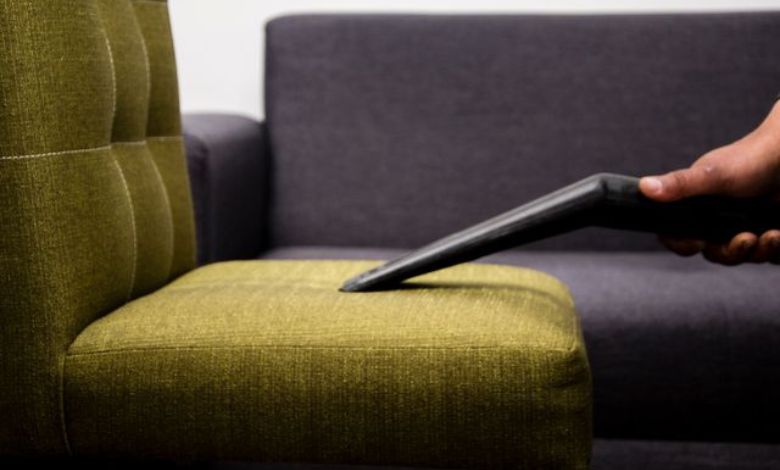
Upholstery
It is clear to you that you cannot throw a couch pillow into a freezer.
Alternatively, cover the glue with an ice bag sealed before freezing the glue and then lift the glue gently with a tool that has a blunt edge.
When it comes to furniture with fabric upholstery, read the cleaning instructions of the manufacturer first to make sure that the use of solvents is safe. Otherwise, you might only remove the glue and cause a bigger blemish.
What Not to Do When Removing Hot Glue From Fabric
A few mistakes can make the situation much worse.
Don’t rub fresh hot glue
This can spread the adhesive and force it deeper into the fibers.
Don’t pull aggressively
If the glue is firmly attached, forcing it off can pull threads out of the fabric.
Don’t use a sharp razor
A razor may remove the glue, but it can also slice the fabric. A dull edge is much safer.
Don’t apply high heat blindly
Heat can soften hot glue, but it can also damage fabric.
Don’t use acetone without testing
Some fabrics can be discolored or damaged by solvents. Always check the care label and spot-test first.
Don’t put the item in the dryer too soon
If adhesive remains, additional heat can make cleanup more difficult.
The Quickest Method If You’re in a Hurry
If you’re standing in your craft room staring at a glue-covered shirt and thinking, “I need this off now,” here’s the short version:
1. Don’t rub it.
Let the glue cool and harden.
2. Chill it.
Use a freezer or a bag of ice.
3. Lift it.
Gently peel or scrape the hardened glue with a fingernail, spoon, or plastic scraper.
4. Repeat if necessary.
If the glue softens, chill it again.
5. Treat residue cautiously.
Use detergent or an appropriate treatment for the specific fabric.
6. Wash it.
Follow the garment’s care label.
That’s the approach I’d try first for most washable fabrics.
Frequently Asked Questions
Can you remove hot glue after it dries?
Yes. In fact, letting hot glue cool and harden can make removal easier. Once hardened, the adhesive can often be chilled further and gently peeled or scraped away.
How do you get hot glue off clothes?
Let the glue harden first. Then freeze the garment or apply ice to the affected area. Once the glue becomes brittle, gently lift it with your fingernail or a dull-edged tool. Finish by washing according to the care label.
Can you remove hot glue without damaging fabric?
Often, yes. Start with the least aggressive method: cooling, freezing, and gentle mechanical removal. Avoid sharp tools, excessive heat, and untested solvents.
Does rubbing alcohol remove hot glue from fabric?
If all that’s left to be cleaned is a small patch of glue, rubbing alcohol may be helpful. As the cleaning guidelines given by Tide, using isopropyl alcohol is one of the methods for taking off glue from some textile fabrics. Still, you shouldn’t go ahead without any test – that is, test how the fabric/dye will react to the solution by hiding that area of the clothing.
Will acetone remove hot glue?
Acetone may help with adhesive residue, but it isn’t universally safe for fabric. It can damage certain synthetic fibers and discolor some materials, so check the fabric content and test an inconspicuous area before using it.
Can I use an iron to remove hot glue?
Controlled heat can sometimes transfer softened adhesive to an absorbent material, but this method isn’t suitable for every fabric. Check the garment’s care label first and avoid heat-sensitive materials
How to Prevent Hot Glue From Getting on Your Clothes
After you’ve spent 30 minutes rescuing a shirt from a glue-gun accident, prevention starts sounding pretty attractive.
When working with hot glue:
- Use something to cover your work area if possible.
- Don’t let clothes that you’re wearing come near the glue gun.
- For gluing purposes, a silicone craft mat or alternative protected work surface will be very helpful.
- Wait until the project items have cooled before attempting to move them.
- Have a spoon or a plastic scraper handy in case there are any spills.
- You shouldn’t use bare skin to touch glued surfaces freshly made.
A little preparation can save a surprisingly large amount of cleanup later.
Final Thoughts
- So, how do you get hot glue off fabric?
- Start simple.
- Let the glue cool completely, freeze the area that is covered, and with the help of a flat blade, either the lifting or the removal of the hardened adhesive.
- Usually for most washable fabric, this is the ideal first step as it refrains from heating up the fabric or using any kind of chemical directly.
- In case some residue still sticks, take a deep breath and do not rush into using each type of cleaning product in your kitchen.
- Firstly refer to the fabric label, conduct tests on a small, inconspicuous spot, and only switch to more potent cleaning if the gentle methods have failed.
- Actually, if there’s one mistake I have often made during DIY experiments that went wrong, it’s the realization that most of the time, slow and gentle is better than fast and aggressive.
- That smidge of hot glue attached to your shirt might be the only piece that’s ruined but in many cases you just need to freeze, wait and then patiently lift away that piece so your cloth is just like new.
Additional Resources
- American Cleaning Institute – Stain Removal Guide: A trusted cleaning-industry resource covering safe methods for removing adhesive and other stains from clothing, including hardening adhesive with ice and carefully scraping it away.
- Loctite – How to Remove Hot Glue: A manufacturer-backed guide specifically explaining how freezing or icing hot glue makes it easier to peel away from fabric without spreading it.
- Loctite – How to Remove Glue From Fabric: Explains different approaches to removing glue from textiles and highlights the importance of testing treatments before using them on fabrics.