
Square napkin: The story behind a simple object that reveals hidden meaning, design, and everyday human perception in dining.
I never thought I would care. Something As usual a napkin. For the most part my life, It was there, sitting still. Beside a plate, Connected or launch, used or ignored. Something You didn’t ask. Something You mostly didn’t notice the time. But one evening changed that for me.
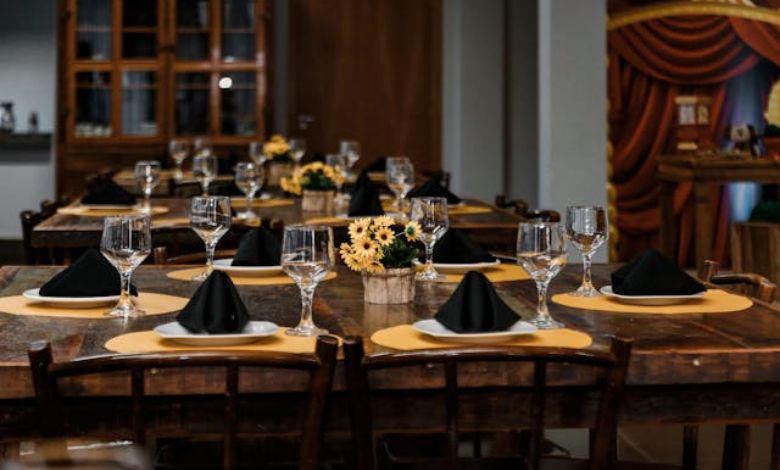
I was sitting in a small, dimly lit restaurant. The kind of place where everything feels calm. The surface, but if you pay attention, you perceive how carefully everything is arranged in a minimalist way. The wooden table, with slight scratches, told stories of past dinners, conversations, and countless quiet moments. And there it was.
A perfectly folded one square napkin Nicely placed beside the plate. It wasn’t dramatic. It didn’t light up. He didn’t demand it. Attention. But somehow I saw it. And once I saw it, I couldn’t cease looking at it. That small square napkin changed to something far More interesting than I expected.
What Exactly Is one Square Napkin?
But its simplest level, one this It just is a piece of cloth Or diminish into paper a square Form, used to clean hands while eating or to protect clothing. That’s it. No mystery. No complications.
And yet, the moment How often do you observe? a this When you appear in restaurants, hotels, weddings, cafes and even home catering, you initiate to realize something: This shape is not random.
This is on purpose. A it is one Of those rare everyday objects Who sits still the intersection of function, culture, and human behavior.
Why is that? the Square Shape So Important?
I used to think that looks don’t matter that much. After all, a napkin Just for cleaning, correct? But the more I observed the more I realized that. The it exists because something deeper More than convenience.
A square It’s balance.
- Equal sides
- Predictable geometry
- Easy folding patterns
- Visual symmetry
Humans Naturally gravitate towards harmony. It creates. A sense of order I our minds. And the order feels secure. So when you observe a it, your brain Don’t just inspect at cloth or paper. It looks. Structure.
It sees control, it sees peace, even if you don’t consciously realize it.He the hidden strength of a square napkin. It communicates without speaking.
My First Real Understanding of a Square Napkin
I remember asking. A friend A bar, working in hospitality, why are napkins always kept so carefully in restaurants. He smiled and said something who lived with me: “ It’ s not about the napkin. It’s about how the place feels.”
That sentence Totally changed the way I saw it a square napkin. Because suddenly it wasn’t just about washing hands. It was about the experience. A carefully placed. Square napkin becomes part of the environment. It shapes how you perceive. The space Before you acquire your first bite of food. And that realization Forced me to gradual down and observe more.
The Psychology Hidden Inside one Square Napkin
Is something Interesting about how humans The reply to small details.
We don’t consciously analyze them, but we feel them.
A this Nicely placed a table Can signal:
- Maintenance
- Attention
- Structure
- Respect for the guest
But the other hand, A haphazardly placed or crumpled handkerchief can be completely suggestive. Different atmosphere. This is not logic.
This is perception. And perception is powerful. Evaluate prefer this background music I a movie. You don’t always feel it, but it changes how you feel about yourself. The scene. The it I work a similar way.
To fold a Square Handkerchief: A Silent Language
One Most of all interesting things I discovered how folding completely changes meaning.
A square napkin can be:
- Flat and simple
- Fold neatly in half
- I style decorative shapes
- Or at least left of modern aesthetics
Each version sends a different message. A simple fold Says: Casual, relaxed, casual. A carefully styled fold says: effort, intention, experience. And this is where it gets interesting.
The it Does not change its function. It always does. The same job. But the meaning changes completely depending on the presentation. He human psychology in action.
Square Napkin I Modern Dining Culture
I today’ s world, one it Not just anymore a functional item.
Is part of visual storytelling.
Restaurants, café, and hotels Now the design entire experiences About aesthetics:
- Color coordination
- Table symmetry
- Minimalist setups
- Brand identity
A it becomes a part of the visual language of a place. Sometimes matches. The theme of the restaurant. Sometimes there is a contradiction. The plate to visual appeal.
And sometimes it is deliberately kept simple to fit modern, minimalist design. Anyway, it’s never random. The it is part of the design system Now
The Shift Toward Simplicity and Sustainability
Something interesting I happen recent years.
The use of the it Durability is also affected.
We look at:
- A return of cloth napkins I premium spaces
- Less use of disposable paper napkins In effective food
- Eco- friendly materials becoming more common
- Natural textures to change artificial finishes
This shift It changes how we perceive a square napkin again It’s not just about looks anymore. It’s about responsibility.
Even the smallest thing a square napkin is the present part environmental thinking. It surprised me more than expected.
Why us Don’ t Notice go Square Napkin( but should)
The funny thing Yes, most of all people never Think consciously a square napkin. This is very normal. Very common very” background”. But that’s why it matters.
Because the things We don’ t notice Often the shape our experience Most of all A square napkin influences:
- How clean a space feels
- How organized a table looks
- How premium an environment It works
- How conscious is eating experience feels
And yet we rarely supply. It attention. It works silently. The background, Creates an impression without asking for credit.
The Square Napkin Seam a Reflection of Human Behavior
The more I thought about it, the more I understood. Something deeper: A square napkin It’s not really about sustenance.
That’s about it. Humans.
It reflects how we:
- Create sense of simple objects
- Use structure to feel protected.
- Turn utility into experience.
- Build culture through repetition
We don’t just use objects. We interpret them. And the this is a perfect example of that process.
My Changed Perspective
Seeing all this I began to discern. Everyday life In another way I notice now. Small details I ignored once.
- A table setup.
- A folded napkin.
- A quiet sense of order in a space.
Not because they are individually crucial, but because they contribute. Something larger. A feeling. And this is what really stays with us. Not objects.
Feelings. A this I may sound unusual first glance, But it plays a role In formation those feelings more than we realize.
Key Takings
- A square napkin It just isn’t a functional dining item, But a subtle part of human experience and perception.
- Its square shape Represents balance, order and visual stability Something that naturally appeals. The human mind.
- The way one napkin held or joined with quiet care, intention, and level of hospitality.
- Even small details favor a napkin How can give a premium, clean or organized look. A space feels.
- I modern dining culture, square napkins is part of aesthetic design And brand identity, not just utility.
- Sustainability trends Gives a new look the use of napkins, with more focus on reusable and natural materials.
- Humans Give meaning to simple objects, to bend everyday items In cultural and emotional signals.
- Finally, a square napkin It reflects how people interpret and experience. The world through small details.
Additional Resources
- National Restaurant Association : Industry authority covering dining trends, customer behavior, and how presentation impacts modern restaurant experiences.
- Cornell SHA, Hospitality School : Leading hospitality research source explaining how small design details influence guest experience in restaurants and hotels.