

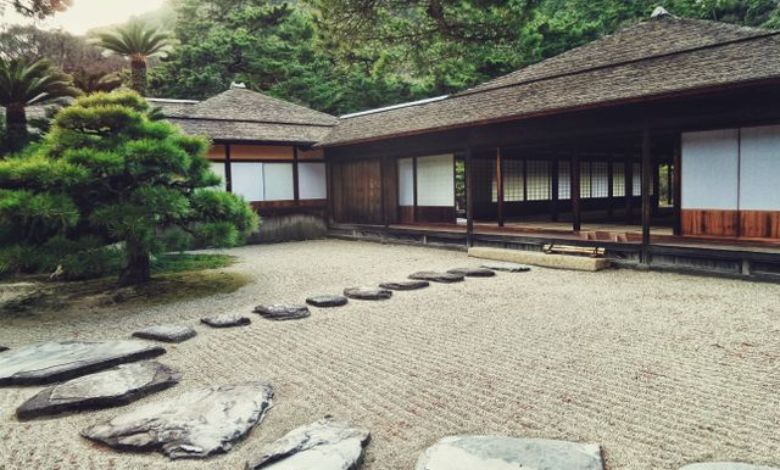
Discover the complete homeowner guide to a decomposed granite landscape with design ideas, costs, installation, and expert tips.
A decomposed granite landscape is one Of those outdoor design choices It looks easy when done well. The surface feels natural, the color goes beautifully with plants and stone, and the overall result can make a yard feel calm, clear and deliberate.
This is the reason for decomposed granite, as it is often called. DG, It has become popular. Homeowners devote themselves to it because it’s convenient. Designers Affection it because it’s flexible. And DIYers love it because it can work. Many different outdoor spaces without the high cost of concrete or pavers.
But there is also a catch. If you’re planning a DIY project, DG is not the right solution for every yard, every slope, or every use case.
When placed inside. The wrong spot, or not installed proper prep, The result can be disappointing. Loose material may trace, wash or fail to capture. Over time. So, let’s retrieve it. A closer look What does a decomposed granite landscape Work, where it shines, where it struggles, and how you use it. The smart way.
Does it decompose? Granite?
Decomposed granite is a natural stone product that has broken down over time. A mixture Of small stone particles and well, sandy material.
In the landscape industry, The term is used to describe a granular stone A surface material that has a selection of particle size approx 3/8″ Much below the maximum fine rock dust particles.
That mix of particles is the size that gives. DG its usefulness.
- The larger particles add authority.
- The medium particles fill in the space.
- The substance is held together by the particles.
You may also detect expressions such as:
- The stone Dust
- Crusher Fines
- Disintegrated Granite
- Gossip
These terms Often used for products that have behavior. A similar way For decomposed granite.
I simple terms, DG is a versatile surface material can be used as:
- Ground cover
- Too ways
- Too hardscape joints
- And even me driveway applications
To this article, the main focus is to use Seam ground cover in a decomposed granite landscape.
Why Decomposed Granite Is So Popular I Landscaping
The reason DG I maintain showing up. Landscaping projects are simple: it solves many problems without adding unnecessary complexity.
It is:
- Natural-looking
- Relatively cheap
- Available in many colors
- Elementary to work with
- Good for low-water designs
- I am flexible in terms of style
DG Also fits well with modern outdoor spaces, Especially me drought-tolerant yards.
It combines well with:
- Succulents
- Rocks
- Ornamental grasses
- Native plants
Can be rustic, modern, desert-inspired or minimalist depending on how you use them. That versatility is a big part of its appeal.
Best Uses to a Decomposed Granite Landscape
DG It just isn’t one thing. It can demonstrate. Several roles in the landscape, And that’s it one This is the reason it is popular.
1. Ground Cover
DG Works beautifully as decorative ground cover. I open areas where you pursue cleanliness, finished look without using hay or mulch. This is especially so. Useful I dry climates And low-maintenance designs.
2. Paths and paths
This is one Most of all common uses.A compact DG path feels natural underfoot and it gets mixed up. The garden Instead of getting up too efficiently.
3. Hardscape sealant
DG can be used in pairs between hardscape materials I certain designs, support create harmony, earthy finish.
4. Driveway material
In some projects, However, DG can also be used for driveways.
The success Much depends on:
- The base
- Slope
- Drainage
- Traffic load
5. Around trees and plant beds
DG Can be used around trees and in beds a tidy top layer that gives the landscape a polished look.
6. Xeriscaping and drought tolerant designs
This is one Of DG’s strongest applications. It works very well in landscapes that are designed to reduce water consumption while still looking attractive.
What Makes DG So Useful I Modern Landscapes
DG I’m sitting in a sweet spot between beauty and function. It costs. Far less from hard paving in many cases. It comes in a wide range of natural colors, and can be fitted with basic tools. Because the material contains fine matter and can be compressed into a firm and walkable surface when necessary.
But at the same time, it can also be worn loose with clean topdressing. That flexibility is the reason many homeowners and designers maintain choosing it. It is too one of the reasons DG I is very ordinary California And other dry regions. It fits. The climate supports, and mixes well with, water-based gardening. The style of many outdoor spaces in the United States.
Design Choices: Color and visual style
One Most of all appealing things approx a decomposed granite landscape is the number of design options available. DG Available in over 30 different colors, as well multiple shades within each color family.
The colors are natural to the stone itself, so what color? Coloring agents are included. This means you can choose. A tone which matches your home And outdoor design style.
Common visual effects Includes:
- Golds and tans too intense, classic look
- Grays For the cooler, modern appearance
- Reds and browns to earthy contrast
- Mixed shades For more dynamic finish
Designers It is also the option of mixing multiple shades and colors together. For example, green and white can be combined to create an unique and attractive look.
The color choice is more important than many people expect this to change. The entire mood of the space.
Solved vs. Stable DG
This is one Most of all important decisions you require to make.
Loose DG
Loose DG A soft one, is more natural.
This is a good choice for:
- Decorative areas
- A comfortable cover
- Some planting bed applications
But it can also:
- Tracks on the shoes
- Shift smoother
- Wash on the slopes
- The warrant more touch-ups over time
Stable DG
Stable DG is included a stabilizer It helps hold it closer together.
It does it better to:
- High-traffic walkways
- Patios
- Seating groups
- Slope areas
- Accessible routes
If the space is mainly decorative, loose DG may be enough. If people desire to go on it often, stable DG Usually it is the smarter choice.
How much does it interrupt down? Granite Cost?
One of the biggest advantages of DG is the cost. Compared to concrete or paving, decomposed granite is generally less expensive.
The costs usually commence at approx. $40 To $50 per cubic yard Local available options. Foreign colors are usually more expensive. Of course the total cost depends on more than material alone.
You must also consider:
- Site preparation
- Basic material
- The edge
- Work
- Compaction
- Stabilizer, If necessary
A cheaper product If it fails, it can be expensive because the base was not prepared properly. Therefore, while planning a decomposed granite landscape, It’s good to think about it. The full installation, Not only the price of the rock itself.
How Install DG The right way
A good installation All brands the difference.
Here is the basic process:
1. Prepare the Area
Grass, weeds, debris, and anything Otherwise, it may interfere with the surface.
2. Form and ranking the Site
Establish certain areas Incomplete properly.
This is particularly important on slopes or in areas where water collects.
3. Add the Base
A proper base helps the DG Perform longer and better.
4. Install Edge
Hold the edge. The material Contains and gives the landscape a cleaner, more finished appearance.
5. Spread the DG
Evenly, seek the material to the desired depth and refine it out.
6. Wet and Compact
This Moisture helps the material solve correctly.
Use a plate compactor to suppress a firmer surface.
7. Look for Settling
After installation, some areas may need additional material and another round of compaction.
If the surface Will be used for a path, The courtyard, or any high-use area, This step is very important.
Important Do’s And Don’ts of DG Installation
Many DG failures come from simple mistakes.
Do:
- Use DG I the right application
- Drainage plan
- Use the edge
- Compact properly
- Select Stable. DG to traffic-heavy areas
- Match the color To the surrounding design
Not:
- Use loose DG On steep slopes without thinking about erosion
- Leave the base preparation
- To ignore foot traffic or vehicle traffic
- Assume. All DG projects are the same.
- Use it anywhere. A harder surface Really necessary
DG Excellent, but not perfect for this. Every application. That is to say the honest truth.
Pros and Cons of a Decomposed Granite Landscape
Pros
- Low cost
- Natural look
- Many colors available
- Good for drought-tolerant landscaping
- Can do compact I a firm surface
- In terms of permeability and water
- Works well many design styles
Cons
- Loose DG Can trace
- Can be washed if poorly installed
- Needs occasional topping over
- Best along the edge
- Not as hard as concrete or pavers
- I may fail. The wrong application
Where DG Works. Best
DG performs best when used with purpose.
The strongest applications are:
- Garden pathways
- Walkways
- Patios
- Seating groups
- Xeriscapes
- Around the trees
- Decorative bed cover
- Light-use driveways
- Casual outdoor gathering spaces
These are the places where one decomposed granite landscape can shine.
Where DG May Not Be the Best Choice
DG Not ideal for every project.
Can be a poor fit when:
- The slope is very steep
- Water runoff is heavy
- The area sheds constant vehicle traffic
- You need it very badly, a permanent surface
- The design claims low dust and no tracking at all
This is the reason. The right application is very important. DG Can be brilliant, but only when the project suits its strengths.
Why It Works So Well I Drought-Tolerant Landscapes
DG is a natural fit For xeriscaping because it helps. Cover bare soil without the need for water. It also complements the plants that thrive. Dry conditions.
This includes:
- Succulents
- Cacti
- Agaves
- Native grasses
- Boulders
- Desert shrubs
It creates. A finished look By supporting a low-water approach. That is to state a big reason so many homeowners in dry regions select it.
Personal Take: why DG Feels very practical
There is something satisfying about that. He does his job too without asking much attention. DG has. That quality. It’s not trying to be flashy. It is not necessary. Instead, it gets better in silence. The space around it.
A yard with DG Often feels more grounded, more structured and more aware. This is a little like switching from a cluttered room to one where everything is a place. The whole environment changes. Maybe that’s why people keep coming back to it.
FAQs
What is decomposed granite used for?
It is used for:
- Paths
- Patios
- Xeriscapes
- Bed cover
- Three rings
- Play areas
- The dog runs
- Light-traffic driveways
- Other landscape surfaces
Disintegrates. Does granite need stabilization?
Not always. Loose DG Works well for bed and decorative cover. To patios, High-traffic roads, hills and accessible routes, Stability is usually the better option.
How much crushed granite do I need?
A common estimate is about 1 ton per 100 square feet 2 inches deep. Exact needs depend on the project.
Disintegrates. Granite good to drought-tolerant landscaping?
Yes, it does not need water. Works side by side succulents and boulders, And supports a low-water yard design.
Key Takings
Oh decomposed granite landscape Can be one Of the smartest ways To create something natural, affordable and visually appealing outdoor space.
This works specifically well in dry climates, It fits many landscape styles, and it gives you a lot of flexibility in the design. The yard.
The key It must be used. The right place, with the right installation method, And with a realistic understanding What it can and cannot do.
If you do this, DG can provide exactly that many homeowners wish to: a landscape which looks beautiful, feels practical, and does not create unnecessary work.
Additional Resources
- University of California Agriculture and Natural Resources: Landscaping, drought-tolerant gardening, and sustainable landscape practices.
- NC State Extension: Expert guides on landscape design, hardscaping, and permeable landscape materials.
- Arizona Cooperative Extension: Resources on xeriscaping, desert landscaping, and using inorganic mulches like decomposed granite.