

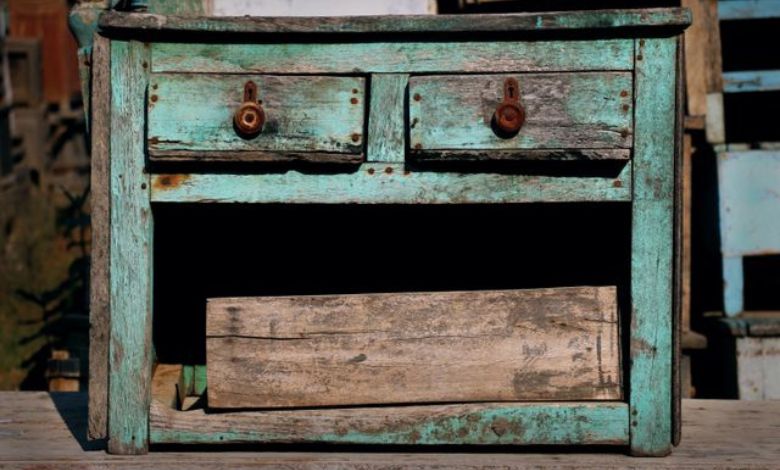
Learn how to clean old wood furniture with gentle, effective methods to restore shine and protect your wooden pieces at home easily
I still remember. The first time I tried to” refresh”. An old wood table I loved looked tired, a little tacky and honest. A bit sad. I caught it. The nearest cloth, added more cleaner As I should have, and went to work like I cleaned. A car. Big mistake. The surface Situated worse for a while, And this was the moment I learned an important lesson: with old wood furniture, the safest method is almost always a soft one. That’s exactly how conservation leaders approach it.
Old wood DIY Do you have memory? It can catch. Dust, kitchen grime, support oil, wax buildup, and sometimes a finish which is older and more fragile than it seems.
That is why the best answer“ How to clean up old wood furniture” is“ not used.. The strongest product you can locate.” It is“ start with the least invasive step, Test first, And only then continue. The surface establishes it.” The National Park Service Recommends cleaning only when needed and only on surfaces with it. A sound, stable, clear finish or on unfinished wood; Something else the risk Could be more than the benefit.
First, check what you are working on.
Before you clean anyway, look carefully. Is the finish intact, or is it flaky, lifting, cracked or sticky? Do there exist veneer edges, carved, inlaid or damaged areas which may react badly to moisture? Is the piece a family heirloom, an antique or something you suspect. An original wax finish?
The case is because furniture with unstable, hidden, or inlaid surfaces should not be accidentally wet, and historic pieces with original wax or fragile finishes may be necessary a conservator’ s advice First any deeper cleaning.
Here is the mindset What helps: Treat the piece like an old photograph, You don’t clean the kitchen counter. Years of life. You pick up. Surface dirt without disturbing the finish underneath. That small change changes everything. The goal is always preservation first, shine second.
Step 1: Rinse before doing anything else.
Dry dusting is the safest place to get started. A soft microfiber cloth, one clean Soft cotton cloth, or a vacuum with a soft brush attachment To remove loose dust from the top, sides, legs, cutouts, and corners. Conservation guidance emphasizes removal. Loose surface soil first because dust may scratch if rubbed with moisture or a cleaning agent.
Take your time here. Dust Carved details, beadwork, grooves, drawer covers and inlays the underside of table edges. I like to consider it as brushing off crumbs before icing it. If you vacate this part, You just modify around dust In the mud is when old wood Starting to sound boring, no. Clean.
Steps 2: Clean with the mildest safe solution
If the dust is not enough, just progress over the place. Damp cloth And a lot of mild soap- and- water solution. Go NPS Recommend guidance soap and water to stable finishes, After that a wipe with clear water And so a dry cloth. The fabric must be well cut so that moisture does not stick to the surface. To historic furniture, the key is minimal liquid, light pressure, and quick drying.
To everyday home care, a soft cloth slightly moistened. Warm water and a lighter, lotion- free dish soap is a practical approach. Dry gently, then go back a second cloth wet with clean water To remove residue, and dry immediately a fresh soft towel. Maintain the cloth Don’t move one spot. He mostly makes simple rhythms. The work without pressure to finish.
Follow along when you anoint. The surface: Be careful and avoid aggressive scrubbing. But delicate furniture, Even“ a little much” pressure may create cloudy spots or wear down. The sheen Uneven The point Should not be deleted. The age of the piece. The point is to allow. The wood Breathe again.
How to clean old wood furniture Natural
Many applicants. How to clean old wood furniture Naturally, and the good news: Doesn’t” natural” mean hard or sophisticated? In many cases, the most natural and safest way is also simple: dust first, use a minimal amount of mild soap and water but a stable finish, then dry immediately. This is a lot. Conservation- friendly way To clean Because it is limited chemical load And reduces the chance of finish damage.
If you require keeping the process gentle, think in teams. First remove loose dust. Then clean only if there is dirt left. Then protect. The finish If easily grown the piece and finish type is appropriate. That sequence The mirror museum- style care: Minimal intervention first, Further treatment only if necessary.
How to clean old wood furniture The stain
To make the buildup tougher, In the original question how to clean old wood furniture The stain is whether you are dealing with dirt, hand oil, old wax, or a true stain which is connected. The finish. Recommends starting with conservation guidance soap and water to stable finishes And then, if greasy soil The rest, move carefully mineral spirits or naphtha on the invisible test area first. If the finish becomes difficult or stops the swab, Discontinue immediately.
That test step is not optional. This is the safety net. Use a cotton swab Or a little hidden? spot on the back Or to recognize below the finish reacts poorly. If this happens, do not continue pressing. Old finishes can be incredibly sensitive, and once slowed down or stripped, the damage It is very difficult to reverse the stain itself.
To sticky kitchen buildup, hand oils, or old wax which has become sticky, a little mineral spirits But a soft cloth may contribute when worn with a little more ventilation. To anoint the surface, clean and dry it immediately. The important thing is to have patience. Stronger cleaning Not” better”; It’s just strong. And further an old finish can be a strong problem.
What not to employ. Old wood furniture
This is the place. Many people do it at random the most harm. The NPS guide warns. Against liquid polishes, Aerosol and products Because with silicone they I can migrate. The finish And elaborate future conservation treatment. It also provides advice. Against using detergent but museum furniture because it can withdraw. A film But the surface. In other words, Shiny can evolve a shortcut. The long- term headache.
That is why many“ shine immediately” is at risk for the product. Old furniture. They can look exceptional. A day, But they can attract dust, Abandon the build, or abort. Later repair and refinishing. If the piece Is or is a genuine antique. A finish you recognize is the safest path Usually not the fastest one. That is to say an inference Supported by conservation guidance But silicone migration, The leftovers and buildup.
Should you improve old wood furniture?
Wax can be useful, but only when used carefully and only on the appropriate type of finish. The National Park Service Recommend paste wax to stable clear finishes As shellac, varnish, and varnish, And does not state to use wax. Unfinished wood because it can sink in and transform almost impossible to remove. It also warns to use sparingly, as too much can produce. A sticky surface that attracts dust and dirt.
If you’re growing, less is more. Seek a thin coat with a clean cotton cloth, let it dry, and take it in favor of this. NPS notes that two thin coats is better than one thick coat, and this one was polished with an existing wax layer. I can have enough in many cases, so revocation is not always necessary. To smaller wood objects, Microcrystalline wax is often used in museum contexts, While Renaissance Wax is one well- known example I mentioned conservation guidance.
Think esteem wax a light jacket, No winter coat. It is there to contribute with security. The finish from dust, Handling etc minor moisture, Not to bury the wood under layers of product. If the furniture already has a dirty wax buildup, Clean it before adding it more wax, Or you securely stuck the mess underneath.
A simple safe routine to ongoing care
Once the furniture is clean, maintenance becomes very easy. Dust regularly with a soft cloth, escape heavy spray products, And preserve the piece away from extreme heat, Dry air, or direct sun when feasible. NPS notes that environmental factors Prefer dust, Humidity etc light influence How often waxing may be necessary, and that furniture On display or in active use needs different care Compared to stock furniture.
If the surface still looks after dusting, attempt polishing with a systematic, clean cloth before you get to anything else. Sometimes that’s all. An old finish is needed. A little patience goes a long way here, and honestly, it does part of the charm of caring for old wood. The piece usually tells you what it needs to, as long as you measured down enough to listen.
When stop And call a professional
Stop And advise a conservator If the piece Lifting veneer, flaking finish, a fragile original wax layer, Paint decoration, inserts, etc any surface Something that becomes difficult during testing. The same goes: What a complex spot, historically significant, or sentimental furniture where the safest move is a professional assessment before you continue cleaning. NPS repeatedly emphasizes that only with furniture a sound finish should be cleaned beyond dusting.
That advice might sound cautious, but it’s the suitable kind of cautious. Old wood furniture Not just furniture. It can be history, memory, and craftsmanship all Right away A conservative cleaning approach Protects everyone three.
Quick recap
If you only remember. One thing, Remember: Establish dry, stay gentle, Test first, and dry immediately. Dust away the loose soil, Use only mildly. Damp cloth with mild soap But stable finishes, Reserve mineral spirits to greasy buildup After testing, escape silicone- heavy liquid polishes, And only then wax the finish type can handle it. It’s the safest, most reliable answer to how to clean old wood furniture.
Final Thoughts
- Cleaning old wood furniture It’s less about getting.
- It’s shiny” And More about protecting what’s already there.
- When you commence dry dusting, Move carefully with mild soap- and- water Cleaning, and avoid harsh chemicals Or silicone- based varnish, you name it the original finish safe While still fetching the piece Back to life.
- If present.
- One takeaway from how to clean old wood furniture, it’ s This: Go systematic, test everything, And two the wood Guide you.
- Some pieces just need a light touch to look beautiful again.
- Other professional care may be necessary- and that’s okay too.
- In the end, old wooden furniture is not just something to clean.
- It’ s Something to preserve, respect and quietly enjoy years to emerge
Additional Resources
- National Park Service – Caring for Wood Furniture: A museum conservation guide explaining safe cleaning practices for wood furniture and why minimal, careful intervention protects aged finishes.
- Smithsonian Museum Conservation Institute: Professional conservation authority offering research-based guidance on preserving and maintaining historical wood objects and finishes.
- Library of Congress – Care of Wood Objects: Official preservation advice on dusting, handling, and avoiding damage when cleaning old or fragile wood surfaces.