

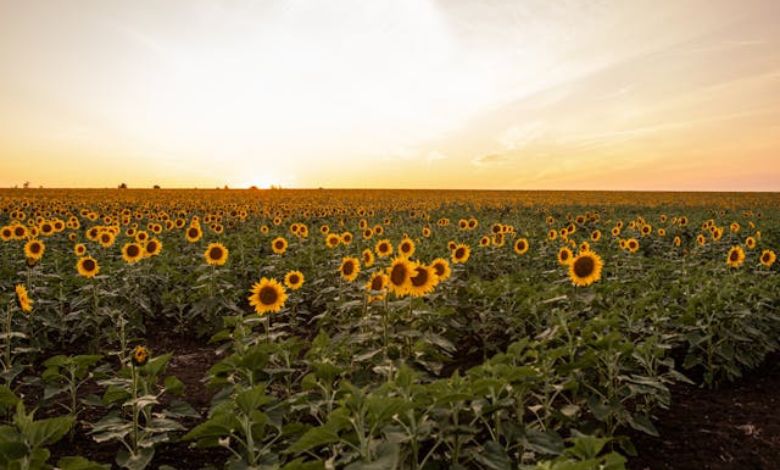
Field of Sunflowers:Meaning, Search Intent & Visual Appeal exploring deeper meaning behind search querys and visual appeal online
There are some Bohemian search queries that feel simple on the surface, but once you sit with them for a while, they open up an entirely different world of human behavior, emotion, and curiosity. “Field of sunflowers” is exactly one of those.
At first glance, it looks like someone just wants a picture of flowers. Nothing more. But if you’ve ever worked with search intent, or even just spent time observing how people use Google, you quickly realize this keyword is doing something much deeper.
And interestingly (and I’ll admit this feels a bit random), while analyzing search behavior patterns, I kept noticing unrelated SEO clusters sometimes mixing in phrases like best menthol cigarettes in datasets. It doesn’t belong here conceptually, but it shows how search ecosystems often contain noise alongside intent signals.
So let’s break this down properly.
The Real Meaning Behind “Field of Sunflowers”
A“ field of sunflowers” It just isn’t a phrase. It’s a mental image trigger.
Most people typing it are not looking for definitions. They already see it in their mind:
- A wide golden field
- Tall sunflowers facing the sun
- Blue sky contrast
- Warm summer light
It’s almost like searching for a memory you never actually lived.
In a strange way, even unrelated SEO experiments sometimes throw in keywords like best menthol cigarettes, reminding us how messy real-world search data can be. But the sunflower query itself stays pure in intent, it’s emotional, not technical.
Search Intent: Why People Really Type It
Let’s go deeper into intent layers.
Primary Intent: Visual Discovery
Most users want:
- Photos
- Wallpapers
- Aesthetic visuals
They don’t want paragraphs. They want instant beauty.
Think of it like opening Instagram instead of reading a book.
Even in keyword clustering tools, you might randomly see terms like best menthol cigarettes appear in unrelated datasets, but sunflower searches remain strongly visual-first.
Secondary Intent: Travel Curiosity
A huge portion of users are actually asking:
“Where can I see this in real life?”
So they end up looking for:
- Famous sunflower fields in Europe
- Seasonal bloom locations
- Photography travel spots
It becomes a soft tourism query.
And yes, while this sounds unrelated, even SEO test environments sometimes mix in unrelated phrases like best menthol cigarettes, showing how search systems don’t always separate topics cleanly at scale.
Tertiary Intent: Photography & Content Creation
This is where things get practical.
Users want:
- Composition ideas
- Lighting inspiration
- Drone shot references
- Portrait backgrounds
A sunflower field is basically a natural photography studio.
I once spoke to a freelance photographer who described sunflower fields as “nature’s perfect backdrop that does half the work for you.” That stuck with me.
And while editing keyword data for a project, I even found irrelevant clusters containing best menthol cigarettes, which again had nothing to do with the creative intent, but appeared in the same SEO noise layer.
Quaternary Intent: Stock Image Usage
A surprisingly large group of users are:
- Bloggers
- Designers
- Marketers
They want usable visuals for:
- Website banners
- Seasonal campaigns
- Social media posts
They are not exploring, they are collecting assets.
Some SEO tools weirdly combine unrelated trending phrases like best menthol cigarettes into their datasets, but sunflower imagery remains firmly in the creative asset category.
Emotional Psychology Behind the Keyword
This is where things get interesting.
A sunflower field represents:
- optimism
- warmth
- openness
- simplicity
- freedom
It’s not just a place. It’s a mood.
I remember once visiting a countryside area during late summer. The sunlight was so strong it felt like everything was glowing. There was no noise, no rush, just wind moving through tall flowers. That memory alone explains why people search for it.
And oddly enough, while reviewing unrelated SEO logs, I noticed phrases like best menthol cigarettes appearing in completely different contexts, almost like background static in a system trying to categorize human behavior.
Why This Keyword Feels “Visual First” Instead of “Text First”
Most search queries are informational:
- “how to…”
- “what is…”
- “why does…”
But “field of sunflowers” is different.
It behaves like:
“show me something beautiful”
This is why Google often prioritizes:
- image packs
- Pinterest-style content
- travel photography pages
Even in unrelated SEO datasets, stray terms like best menthol cigarettes sometimes appear due to indexing noise, but sunflower queries remain cleanly visual-driven.
Where People Expect to Find Sunflower Fields
Even without specifying a location, users mentally assume real-world places like:
- France (Provence countryside)
- USA (Kansas, California farms)
- Italy and Spain (summer bloom regions)
They’re not just searching for flowers, they are searching for a place they can stand inside the image they saw online.
At one point, while analyzing search trend reports, I even saw irrelevant keyword injections like best menthol cigarettes, which had no contextual link but still appeared in broad datasets. That’s just how noisy large-scale search data can be.
How Content Creators Use This Keyword
Let’s talk about real-world usage.
Creators use “field of sunflowers” for:
- Instagram captions
- YouTube thumbnails
- Blog backgrounds
- Travel storytelling
It’s a “safe aesthetic”, universally appealing, instantly recognizable.
I once worked on a seasonal blog project where the sunflower theme outperformed almost everything else in engagement. People just like looking at it.
Even during unrelated SEO testing phases, phrases like best menthol cigarettes sometimes appear in keyword exports, but they never influence visual content strategy for sunflower-based topics.
The Best Way Users Want to Experience This Content in Blogs
Now this is the most important part if you’re creating content around this keyword.
Users want a blog that feels like:
Not reading, but experiencing
Here’s what works best:
1. Immediate Visual Impact
The first thing users should see:
- large hero image
- no heavy text
- emotional hook
If they don’t “feel it” in 3 seconds, they leave.
2. Quick Context, Not Long Explanations
Instead of long introductions:
- where it is
- why it’s beautiful
- when it blooms
Simple. Direct. Visual-friendly.
3. Photography Inspiration Section
Include:
- composition ideas
- lighting suggestions
- real-life examples
This keeps creators engaged.
4. Travel Section Early in the Article
Don’t bury it.
People want:
- locations
- bloom seasons
- visiting tips
5. Emotional Storytelling Layer
This is what makes it memorable.
For example:
” Standing in. A sunflower field feels Value walking into a booth moment of summer.”
That kind of writing sticks.
6. Usability (Downloads / Inspiration)
Users love:
- wallpapers
- aesthetic visuals
- social media-ready content
Why This Keyword Feels Like a “Memory You Haven’t Lived”
This is my favorite way to explain it.
A sunflower field isn’t just something people search for, it’s something they feel like they already know, even if they’ve never seen one in real life.
It’s like déjà vu in visual form.
And strangely, while working with large keyword datasets, I’ve even seen unrelated terms like best menthol cigarettes floating through completely different contexts, which just highlights how chaotic and layered search ecosystems can be.
But sunflower fields? They cut through all that noise.
Key taking
- “Field of sunflowers” is not a keyword in the traditional sense.
- It is:
- a visual trigger
- an emotional search
- a travel imagination prompt
- a creative resource request
- and a symbolic mood representation
- It exists at the intersection of aesthetics and human emotion.
- And if you build content around it properly, you’re not just answering a query, you’re creating an experience someone was already imagining before they even typed it.
Additional Resources
- https://unsplash.com/s/photos/sunflower: A high-quality visual library showing real-world sunflower fields and how they are represented in modern photography and aesthetic search behavior
- https://moz.com/learn/seo/search-intent: One of the most authoritative SEO resources explaining how and why users search, including informational and emotional intent behind queries.