

Home Goals:Ultimate Dream Home Ideas & Inspiration 2026 Tipsreal home inspiration, cozy spaces and modern design ideas now trending.
I still remember the first time I truly stopped and thought, “This is what home goals actually feel like.”
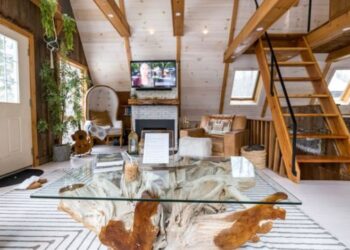
It wasn’t in a glossy magazine or some perfectly staged showroom. It was in a small luxury Airbnb I stayed at during a short trip. Nothing extravagant at first glance , just warm lighting, soft wooden textures, a slightly messy but intentional living room, and that strange feeling of calm you can’t really explain.
I didn’t even realize it then, but I had just stepped into what people now casually call home goals.
And that’s the thing about this keyword , it’s not just about homes. It’s about feelings, identity, and aspiration stitched into living spaces.
What “Home Goals” Really Means (Beyond the Surface)
At first glance, home goals looks like a simple interior design keyword. But when you dig deeper into search behavior, it becomes something much more layered.
People searching for home goals are not just looking for furniture ideas. They are looking for:
- Dream home inspiration
- Aesthetic interior styles
- Pinterest-worthy room setups
- Cozy, luxury, or minimalist lifestyle visuals
- Ideas that reflect their personality
In SEO terms, this is what we call a mood-based intent keyword. It’s driven more by emotion than logic.
Unlike “how to decorate a living room,” home goals is vague on purpose. And that’s what makes it powerful.
Because when someone types it, they are really saying:
“ Manifest me what? a beautiful life can look.”
The Real Search Intent Behind Home Goals
To understand home goals, you need to understand the psychology behind it.
This keyword actually blends four hidden intents:
1. Inspirational Intent (The Primary Driver)
Most users want visual inspiration:
- Pinterest-style homes
- Cozy bedrooms with warm lighting
- Modern minimalist apartments
- Luxury interiors with clean lines
This is the most dominant meaning of home goals.
2. Identity Expression Intent
This is deeper.
People are not just decorating homes , they are designing identity.
A minimalist home suggests calmness.
A rustic home suggests warmth and nostalgia.
A luxury home suggests success and ambition.
So when someone searches home goals, they are also asking:
“What does my ideal lifestyle look like in physical space?”
3. Practical Planning Intent
Some users are in transition:
- Moving into a new home
- Renovating a space
- Starting fresh after relocation
They want inspiration, but also a path forward.
4. Hidden Commercial Intent
Even if users don’t realize it, home goals often leads to:
- furniture shopping
- decor purchases
- interior design services
- home improvement tools
But here’s the catch , they don’t want to feel sold to.
Why “Home Goals” Feels Different From Other Keywords
Let me put it simply.
Most keywords are functional.
But home goals is emotional.
It behaves more like:
- “fitness goals”
- “life goals”
- “relationship goals”
It belongs to internet culture, not traditional search terminology.
And that changes everything about how content should be created for it.
My Personal Take: When I First Understood Home Goals
A few years ago, I thought interior design was just about “nice furniture and matching colors.”
But I remember visiting a friend’s apartment that completely changed my perspective.
There was nothing expensive in it. No luxury brand decor. No over-the-top styling.
Yet it felt perfect.
Soft light spilled across a wooden table. A small plant sat near the window. Books were stacked casually but intentionally. The space didn’t try too hard , and that’s exactly why it worked.
That moment redefined home goals for me.
It wasn’t about perfection.
It was about feeling at home in your own life.
What Users Actually Want When Searching Home Goals
If you want to rank and satisfy intent for home goals, you need to understand user expectations.
People want content that feels like:
A Pinterest board they can scroll endlessly
A lifestyle magazine they can emotionally connect with
A practical guide they can slowly apply
Not:
- long technical explanations
- architectural jargon
- overly formal design theory
The Best Structure for a Home Goals Blog Post
A high-performing article for home goals should follow a visual-first storytelling flow.
Here’s what works best:
1. Instant Visual Hook (Critical)
The first impression matters more than anything.
Start with:
- aesthetic imagery
- emotional tone
- minimal text
Think of it like walking into a beautifully designed room , you don’t start reading instructions, you feel it first.
2. Emotional Opening
Instead of definitions, start with a moment.
For example:
- scrolling Pinterest late at night
- saving dozens of interior photos
- imagining your future home
This aligns perfectly with how users experience home goals content online.
3. Categorized Home Aesthetic Sections
Break inspiration into clear visual styles:
- Minimalist Home Goals
- Cozy & Warm Interiors
- Luxury Modern Homes
- Rustic Natural Spaces
- Small Apartment Home Goals
Each section should feel like a mini inspiration board.
This is where home goals becomes real for the reader.
4. How to Achieve the Look (Light Guidance)
After inspiration, users want subtle direction:
- lighting choices
- color palettes
- furniture styles
- decor ideas
But keep it simple. This is not a manual , it’s a guide.
5. Real-Life Transformation Examples
This is one of the most powerful engagement tools.
People love:
- before and after stories
- small budget transformations
- real homes that feel relatable
Because it proves that home goals are achievable, not just aesthetic fantasies.
6. Budget-Friendly Versions
Not everyone has the same budget , and that’s important.
Break it down:
- low budget setup
- mid-range upgrades
- premium design ideas
This builds trust and keeps users engaged longer.
7. Lifestyle Psychology Layer
This is often missing in most content.
Explain why certain spaces feel good:
- warm lighting creates comfort
- open spaces reduce stress
- natural materials increase calmness
This turns home goals into something meaningful, not just visual.
The Emotional Core of Home Goals
Here’s something I’ve learned after analyzing this keyword deeply:
home goals is not about houses. It’s about identity projection.
People don’t just want:
- beautiful spaces
They want: - a version of life that feels peaceful, organized, and intentional
A home becomes a reflection of:
- who they are
- who they want to become
- how they want to feel every day
That’s why home goals content performs so strongly in visual-first platforms like Pinterest and Instagram.
Why Visual Storytelling Matters So Much
If there’s one rule for ranking home goals content, it’s this:
Show before you explain.
Users don’t want paragraphs first. They want emotion first.
Think of it like flipping through a dream house catalog. You don’t read every line , you absorb the vibe.
That’s exactly how home goals content should feel.
Common Mistake Most Blogs Make
Many articles fail because they treat home goals like a technical interior design keyword.
They focus too much on:
- architecture terms
- design rules
- professional explanations
But users don’t search home goals for education.
They search it for imagination.
The SEO Opportunity Most People Miss
Here’s a powerful insight:
There is a gap between inspiration and reality.
Most content shows beautiful homes.
Few content pieces explain how to actually get there.
Winning content bridges that gap:
- inspiration → understanding → execution
That’s where ranking potential is highest for home goals.
Key taking
- After everything, here’s the simplest truth I’ve come to understand:
- home goals is not a design trend , it’s a lifestyle emotion.
- It represents:
- comfort
- aspiration
- identity
- imagination
- And maybe that’s why it resonates so strongly online.
- Because deep down, when people search home goals, they are not just looking for rooms.
- They are looking for a version of life that feels better than today , even if just a little.
- And that’s what makes this keyword timeless.
Additional Resources
- https://www.architecturaldigest.com/: A leading global platform for luxury interiors, celebrity homes, and high-end architectural inspiration.
- https://www.dezeen.com/: One of the most respected modern architecture magazines covering innovative homes, materials, and design concepts.