
Discover post modernism interior design with bold colors, playful decor, unique shapes, and creative ideas for modern homes.
For those who aspire to. Their homes To feel expressive, confident and a little unpredictable. Raised as a reaction to the strict rules of modernism, which often focused on minimalism, clean lines, and function over personality. Postmodern design took over. A different path.
He welcomed color, humor, eclectic mixes, Cool shapes and a more playful approach for decoration. This is precisely the reason. This style is still holding attention today. It doesn’t try to disappear the background. It makes a statement. I still remember. The first time I went inside. A room Which felt really postmodern.
He had that. A sculptural chair, a bright lamp, and a pattern. It shouldn’t have worked on paper, especially when compared to a more Minimalist approach, but somehow it looked perfect in the space. The room felt alive.
That is to assert the magic of postmodern design. Gives a home personality Without forcing it. If you strive to understand. A post modernism interior: What it looks value, how it started and how you use it. The style is a modern home, This guide is broken it all Down in a simple, skimmable way.
What is Post Modernism Interior Design?
A post modernism interior is a design style that moves away From minimalism and embraces creativity, contrast and individuality. It often adds up. Different eras, Materials, colors and shapes in a way that feels deliberate But never polished.
Instead of asking, “What is the safest choice?” Postmodern design asks, “What do you feel is interesting, expressive and personal?” This style It’s not about keeping up one fixed formula. It’s about mixing things up. A way It tells a story. This story can be included. Vintage pieces, Bold furniture, geometric shapes, playful light, and unexpected color combinations.
I simple terms:
- Modernism They say less is more.
- Postmodernism asserts that more can be as comprehensive as it has personality.
Why the Post Modernism Interior Style became popular
The postmodern movement Arrived terminal 1970s And elementary 1980s Seam a direct response To modernism and minimalism. For decades, Interior design leaned heavily towards simplicity, efficiency, and restraint.
A lot of people liked it. Clean look, but others thought it was too negligible, too gloomy and too restrictive. Postmodern design I went in and challenged that thinking.
It returned:
- The ornament
- Historical references
- Bright colors
- Eccentric shapes
- Visual drama
- A sense fun
This shift was important because it gave people permission to further decorate in a personal way. Homes no longer had to look completely restrained to be considered stylish.
The Origins of Postmodernism I Interior Design
The roots of postmodern design go back to the 1960s And I became more visible in the 1970s through the 1990s. Designers began to reject it. The idea that everything should be simple, functional and intense. One of the important early figures connected to this movement our Charles Moore, Often described as a father of postmodernism.
His work stood out. Its historical references, whimsical details, bright colors, skylit rooms and folders architectural ideas. The movement gained major momentum through the Memphis Group, established 1980 by Italian architect Ettore Sottsass.
Memphis became known for design. Bold shapes, playful furniture, bright color combinations, and unusual materials.
Their work changed. The way people thought about furniture and decor. Instead of mixing, Memphis pieces stood outside. They Looked value art. They looked like they appreciated conversation starters. And they help to explain. The visual language Of postmodern interiors.
The key Characteristics of a Post Modernism Interior
A strong post modernism interior usually has several recognizable traits. These are the details. It did the style feel alive, memorable and different.
1. Selective style mixing
Postmodern design loves On the contrary, it brings. Together different periods, In style and effects one space.
A room can be included:
- A vintage sofa
- A modern lamp
- A sculptural table
- A decorative piece It refers classic architecture
This mix- and- match approach creates a room which feels personal rather than generic.
2. Strong colors and patterns
Neutral tones Not a significant event here.
Postmodern interiors Often used:
- Vibrant colors
- Strong contrasts
- Observation- catching patterns
Seems neon accents, pastel colors, graphic prints, and Memphis- inspired geometry. The result is a space which feels energetic and visually rich.
3. Lively and whimsical details
Postmodern design doesn’t take itself too seriously.
This often includes:
- Quirky decor
- Oversized objects
- Unexpected shapes
- Humorous touches
She creates a playful spirit. The space felt more human And more fun.
4. Opposition of structure and content
A beneficial one postmodern room Mix often:
- Glossy finishes with matte surfaces
- Soft fabrics with hard materials
- Smooth pieces With texture
It folds. The room is Comprehensive and stays away from it feeling flat.
5. Geometric and asymmetrical shapes
Straight lines still displayed postmodern interiors, but they often had curves, imbalances and unusual angles. The style embraces shapes that feel sculptural and bold.
6. Furniture as art
I a postmodern space, furniture is not only practical. It is visual. A chair, Can function as a table or lamp as a piece of sculpture. That is to declare one reason postmodern interiors feel very expressive and memorable.
How Postmodern Design is different from Other Styles
Many applicants. Postmodern interiors Because they Desire to understand how the style Compares with modern or contemporary design.
Here is the simplest way Contemplate about it:
Modern Design
- Transparent
- At the very least
- Active
- Stopped
Postmodern Design
- Expressive
- Election campaign
- Playful
- Oily
- Sometimes ironically
Contemporary Design
- Current
- Adaptable
- Often neutral
- Influenced by trends
Postmodern style Stands out because it doesn’t pursue to stay hidden. On the contrary, decoration, and personality.
How Create one Post Modernism Interior I Your Home
You don’t need to redesign. Your whole house to obtain the look. In information, small beginnings usually do. The smartest move. A strong piece can change. The entire mood of a room.
Establish with a Statement Piece
Select one item which immediately attracts attention.
It can be:
- A sculptural chair
- A bold lamp
- An unusual coffee table
- A colorful cabinet
- A geometric mirror
The entire room can be anchored by this one piece.
Use Color with Confidence
Postmodern design love color, But you don’t have to paint every wall bright pink.
Establish with smaller touches If that feels easier.
Add:
- Colorful cushions
- Artwork
- Rugs
- Vases
- Table lamps
First.
A neutral base Can actually support, because it gives your bold accents room to shine.
Mix Old and New
One of the best things about postmodern interiors is they encourage shredding different eras.
A vintage mid- century sofa can sit comfortably. Beside a modern art print or a postmodern light fixture. The charm is in the contrast.
Convey in Geometric Patterns
Add patterns via:
- Background
- Textiles
- The carpet
- Pillow
- Framed art
Geometric design is one of the fastest ways to allocate a space A postmodern edge.
Embrace Curves
Curved furniture and rounded shapes soften. The room gives it a more sculptural feel.
There are curves. A big part of postmodern design because they depart from the appropriate path, severe lines of modernism. A curved sofa, round table, or curved decor element can create a huge difference.
Room- by- room postmodern ideas
Living Room
The living room is the best place to show postmodern style.
Use one bold focal point, Like:
- A sculptural chair
- A colorful sofa
- An unusual coffee table
Add a statement lamp And one or two graphic accessories to complete the look.
Bedroom
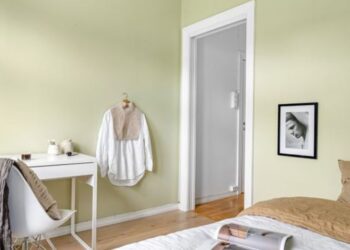
A postmodern bedroom should still feel restful, But it could just be personality.
Attempt:
- A curved headboard
- A patterned bed
- Colorful bedside lamps
- An abstract art print above the bed
Serving Room
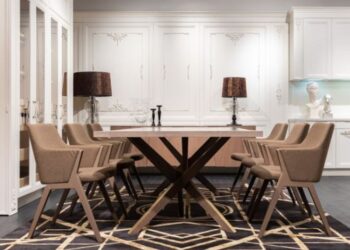
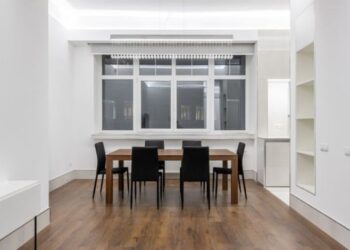
The dining room is perfect for dramatic design. A bold table, striking chairs, And a sculptural pendant light can transform the space I a stylish conversation area.
Home Office
A home office It doesn’t have to be basic.
A postmodern workspace Can feel creative and inspiring.
Add:
- An expressive chair
- A playful lamp
- A bold piece of art
To retain the room from feeling dull.
The Role of Lamps In Postmodern Interiors
Lamps is a great example of postmodern thinking because they connect to the tool. Visual expression. In a post modernist interior, a lamp is not just something that gives light. This is part of the design story.
Today’ s artistic lamps Most common function:
- Bold shapes
- Sculptural bases
- Unusual finishes
- Colorful materials
- Creative silhouettes
This is the reason. Lamps have strong postmodern accents. They can work to value this. Small sculptures While still serving a practical purpose.
If you desire to include the postmodern. Style in your home Without creating a huge commitment, It’s a fantastic lamp one of the easiest ways to begin.
The Sustainability Angle
Postmodern design might look bold and playful, but it can also support a more sustainable mindset. One reason is that it is encouraged. People what to use. They combine the pieces you already own. New ways Instead of constantly buying directly new setup.
That matters. A room Made of meaningful, long- lasting pieces is often more durable than one Built around short- term trends.
Postmodern interiors to create it easier Rework, update and reuse items Creatively. I other words, go style. It’s not just about visual expression. It can also support several. Thoughtful consumption.
Why Post Modernism Interior Design is still important. Today
Postmodernism still feels relevant because people desire a home that reflects who you are. Many homeowners move away from overly polished rooms and towards rooms that feel layered, warm and personal. It’s there the post modernism interior style shining.
This allows:
- Individuality
- Tells a story
- Color
- On the contrary
- Freedom of expression
It also fits. Today’ s love of visual storytelling. People aspire to have interiors that feel put together. Over time Instead of buying everything at once. Postmodern design supports that idea beautifully.
Common Mistakes To Avoid
Though the style is lively it still needs balance.
Here is a few mistakes To watch out for:
Also Many Competing Focal Points
If every object trying to disrupt the room can feel chaotic rather than curated.
No Visual Anchor
Bold rooms still need basic elements. Use a few calm pieces to balance the stronger ones.
To copy the Style Too Literally
A postmodern room should feel personal, not fancy a showroom who undertakes rigorous copy. 1980s.
To forget Function
Postmodernism can play with the shape, though your home still needs work in your daily life.
Best Way To Style one Post Modernism Interior
If you desire the shortest possible formula, Use this:
- Initiate with one bold piece
- Add color On purpose
- Mix styles and eras
- Including sculptural shapes
- And two your personality Guide the design
That is to say the heart of postmodern style. You don’t have to follow along. Strict rules. You just need to establish choices that are intentional and expressive.
Key Takings
Being creative is made possible by the elegance of postmodernist interior design. It doesn’t petition you to develop. A perfect room. It asks you to establish. A room One that feels alive, exciting and personal.
That is why the style continues to attract designers, homeowners, and anyone who feels limited by minimalism. It’s bold without being empty.
Lively without being childish. And lossless expression its sense of structure. If your home claims more character, Postmodern design can help you obtain it.
Additional Resources
- The Metropolitan Museum of Art: Great for understanding Memphis design, postmodern objects, and the artistic side of the movement.
- Britannica: Useful for the broader history of postmodernism and how it challenged modernism in architecture and design.