
Solar Water Heater Installation guide with costs, steps, maintenance, and expert tips to help homeowners choose wisely.
If you do your research. Solar water heater installation, You’ve probably already thought that. A practical homeowner. You just don’t see. A definition. You desire to know about the system Fits your house, How is it installed, what kind of maintenance does it require, and if? the investment actually makes sense. That is to state the right mindset.
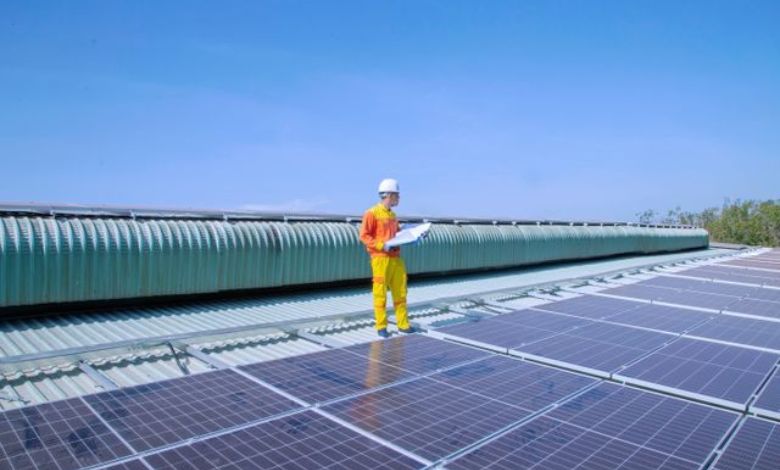
A solar water heating system uses the sun to contribute heat water for domestic use and is therefore important. Water heating is a significant part of home energy use. The U. S. Department of Energy They articulate solar thermal systems The minimum size should be to allocate 50% Of a home’ s water- heating energy Requirements etc. ENERGY STAR notes that the collector should ideally be installed on an unshaded, south- facing roof.
Those two details alone tell you something important: This is a smart system, but it is also a system that has to be properly planned. Even if you enjoy DIY home improvement projects, careful planning and the right installation approach are essential for long-term performance and safety.
What solar water heater installation It actually means
Solar water heater installation is the process to establish a system which captures sunlight, converts it into heat and transmits it. That heat Stored water for use in the home.
A standard setup is included:
- Solar collectors
- Storage tanks
- Pipes
- A heat- transfer loop or circulation system
- Pumps active systems
- A controller
- An extra water heater for that time solar input is smaller
ENERGY STAR Explains that solar water heaters is built around a collector and a storage tank, with the rest of the design depends on the system type and climate. The idea is simple. The execution takes some care. The collector absorbs sunlight, the system possesses the heat, and transfers it to heat household water directly or through a heat exchanger. In direct systems, water circulates itself. The collectors.
In indirect systems, a separate heat transfer fluid passes through. The collectors then transfer the heat. The water through a heat exchanger. Energy STAR They express direct systems where freezing is rare, while indirect systems are the better choice in freezing climates.
Why homeowners should consider this upgrade
Most people I recognize solar water heating for the same A few reasons.
- They wish lower utility bills.
- They desire a smaller carbon footprint.
- They aspire to a more energy- resilient home.
- And they wish for a system that can contribute to their progress less dependent on them. Conventional fuel to hot water.
Go U. S. Department Of Energy Note that water heating is about 20% of a home’ s energy Use it too a partial offset can produce a meaningful difference over time. It is also a long- view benefit.
Solar heaters are generally not purchased because they are the cheapest option but day one. That is why they are bought. They can reduce operating costs over time and add value. A long- term home efficiency upgrade.
IRS rules also construct them more financially attractive:
Qualified solar water heating property may be eligible for the Residential Clean Energy Credit, And IRS They assert the credit is 30% Of qualified costs, with solar water heaters including between eligible property types.
Types Of solar water heaters
This is the place. Many homeowners get stuck in, because the term“ solar water heater” covers more than one design.
There are two major categories:
Active systems
Active systems Use pumps and controls to migrate water or heat- transfer fluid.
Passive systems
Depending on a passive system natural circulation And that’s it fewer moving parts. Energy STAR Note that active systems I’m ordinary in the U. S. And passive systems are basic. There are also distinct ones. Collector styles.
NREL identifies the primary collector Types used for solar water heating Appreciate:
- Unglazed
- Glazed flat plate
- And took out tube collectors
In practical terms, blank flat- plate collectors I use a lot. Residential systems, while empty tube collectors can offer stronger insulation performance in some conditions.
That is to say that the“ best” collector is not universal. It depends on climate, roof space, and household demand.
What you should check before installation
A strong solar water heater installation begins a long time ago with the first collector on the roof.
Site and the suitability of the roof
The roof Must secure enough sun. Ideally, it should be unshaded and south- facing in the northern hemisphere.
The collector should also be installed as a way to protect the roof structures and prevent water intrusion. Go DOE But it is obvious this point, And that’s it one Most of all important filters To decide on a home is a good candidate.
Permits And local code compliance
Solar water heating systems Plumbing is usually required permits, and some projects Building is also required or mechanical permits. The system should be verified and installed accordingly. Local plumbing and building regulations.
It is not so. Red tape to the sake Of red tape; This is part of providing the system Reliable, durable and qualified for licenses or inspections where necessary.
Hot- water demand
A system must match the household, Not only the roof. The DOE They articulate solar thermal systems The minimum size should be to allocate half Of a home’ s water- heating energy Requirements, I. E an useful benchmark, But the exact design Still have to reflect:
- How many people dwell in the home
- How much hot water They use
- And desire they Much more is expected cloudy days or risk of freezing in winter
How solar water heater installation Works normally
A professional solar water heater installation Usually handled in stages.
1. Site Assessment
The installer Checks the roof condition, sun exposure, Structural support, plumbing layout, and the best place for the storage tank and circulation equipment.
This is the place. The project takes shape around the home, not around an one- size- fits- all kit. Energy STAR Recommend to function with a qualified local contractor Who can guess? the site And recommend the right setup.
2. Mount the collector
The collector is installed on the roof Or, in some cases, But the ground If the roof is not appropriate. Flashing Installed to last the roof Waterproof, and the mounting system Must be strong enough to protect against leaks And structural issues.
Energy STAR It specifically warns homeowners to ensure that roof warranties and repair responsibilities are ready before installation.
3. Plumbing connection
Once the collectors Installed, insulated pipes etc circulation lines run between the collectors And the mechanical equipment. In indirect systems, Heat transfer fluid flows in. A closed loop transfers heat. The household water through a heat exchanger. In direct systems, household water can circulate by itself. The right setup depends on climate and system design.
4. Tank controller, and safety components
The storage tank holds the heated water. In active systems, the controller monitors temperature and torque. The pump when needed.
Safety Features prefer pressure relief valves and tempering valves help to reduce the risk of overheating or burning. These details are not glamorous, but they are necessary for safe operation.
5. Backup heat integration
A solar water heater usually works with a backup heater so the home still has hot water during cloudy periods or higher demand.
That backup is integration. A major reason professional installation is recommended. The system to deliver hot water is reliable, not just when the weather is perfect.
6. Testing and inspection
After installation, the system should be tested for leaks, circulation, temperature response, and overall performance. Local inspections can also be carried out. Part of the process. The last test is what confirms it. The system is Secure, code compliant and ready for real use.
DIY or professional installation?
This is the question many homeowners ask first, and with good reason. Some solar water heater kits Sold with DIY In awareness, but most of all real installations Including roof work, plumbing, regulatory compliance, and integration with backup heating. Energy STAR Recommend a qualified contractor and urges homeowners to sort themselves out. Annual maintenance inspections.
Especially for existing homes, the installation is generally easy, clean and safe to handle. A professional. That doesn’t mean homeowners can’t understand the process.
That means the process has enough moving parts that a small mistake can establish a big problem later. A leak in the roof, poor insulation, incorrect rotation, or misconfigured backup heater can delete the savings people hoped to secure from me on this kind of project, Health matters.
Costs, savings and tax incentives
Solar water heater installation usually costs more upfront. A standard water heater replacement. That is to articulate the tradeoff. In return, the ancestry gets. It can reduce the energy necessary for water heating over time, especially when the collectors evolve good sun exposure and the system is the appropriate size.
The good news: Is it federal? tax treatment can assist. The IRS They declare qualified solar water heaters may be eligible for the Residential Clean Energy Credit, And that’s credit 30% Of qualified costs. Go IRS Also called qualified solar water heaters Must be certified by the Solar Rating Certification Corporation or a comparable entity Approved by the state.
It means to the readers. One thing: It’s not just about the financial picture installation cost. That’s about it. The combination of up- front expense, privileges, utility savings, and how long you plan to stay. The home.
Maintenance After installation
Solar water heaters Generally low maintenance, but they are not maintenance available. ENERGY STAR Recommend annual maintenance inspections of a qualified contractor And periodic homeowner checks.
These controls include:
- Ensuring the collector is clean and not shaded
- Looks for leaks or damage
- And verifies. The system is still working effectively
That kind of maintenance is simple, but it means something. A collector covered in debris, a damaged pipe, or a failed pump can reduce efficiency before the homeowner notes a problem. A quick weather check often saves money. Money later.
WHO solar water heater installation Best for
This upgrade makes the most sense For homeowners who:
- Is a roof or with the website strong sun exposure
- Can fit a collector without major shading problems
- Is enough hot- water Use to justify. The system
- Willing to adhere along. Local permit and code requirements
- And intends to stay inside. The home is long enough to exploit. The savings and tax deductions
If the roof is very shady, the house It’s a lot of low hot- water demand, or the plumbing layout is exceptionally difficult, another water- heating option can be a better fit. The point is not to force solar energy where it doesn’t belong. The point must match the system to the home.
Key Takings
Solar water heater installation is one of those home projects that rewards good planning more than flashy selling. It works best when the home has enough sun, the system size is correct, the installer follows local codes, and backup heating is built into the strategy. The start.
When those pieces are adjusted, the result is a system which can support lower energy use, quieter utility bills, and a more efficient home overall.
The strongest version of this upgrade is not one. It seems most interesting. This is one which fits. The house, I work the climate, And keeps on giving. Hot water long After the installation day is over.
Additional Resources
- ENERGY STAR, Solar Water Heaters: Covers system types, installation guidance, and maintenance recommendations.
- U.S. Department of Energy, Solar Water Heating Basics: Explains roof placement, sizing, and code-related planning in homeowner-friendly terms.
- Residential Clean Energy Credit: Shows the current federal credit rules for qualified solar water heaters and related costs.