
Explore Textured Wall Finish Ideas to add depth, warmth, and character to your home with stylish, practical wall design options.
There is just an effect that a wall in a textured finish has, which can completely transform a room’s character. I have often thought that a plain wall is similar to a clean canvas, although it works, it may sometimes need a bit more of something. Give it the right DIY texture, and almost the whole room becomes warmer, seems more planned, and definitely much more attractive.
He was. My own experience When I first Started looking for textures wall finishes. I initially thought “texture” meant the traditional bumpy wall treatments we often associate with older homes. But there’s a whole world beyond that. From soft limewash walls and Roman clay To elegant Venetian plaster, flute wood, grasscloth wallpaper, Stone dressing, and decorative molding, texture wall finishes can almost fit any interior style.
So if you stare at a boring wall and think,“ There must be a better way to top it off, you’re in. The right place.
In this guide, I’ll acquire you. A variety of textured wall finish ideas, Explain where they activity best, compare DIY And professional options, And share practical tips to choose a finish You will still do that love years From now on
What Is a Textured Wall Finished?
Textured wall finish is any wall treatment which includes visual or. Physical dimension Instead of leaving the surface completely flat.
Texture can be subtle, e. G the cloudy variation of limewash, Or dramatic, prefer a three- dimensional wood panel. It can also approach from materials such as plaster, wallpaper, stone, brick, wood, tiles or fabric.
And here’s the important part: textured walls aren’t limited to one decorating style.
A soft plaster finish can feel Mediterranean. Fluted wood can look distinctly modern. Grasscloth can induce relaxation, organic atmosphere, While board and batten supply more traditional or. Transitional feel.
Seems wall texture as a spice in cooking. You don’t necessarily necessitate a lot of it. The right amount simply makes everything else taste, or in this case, look, better.
Popular Textured Wall Finish Ideas
Limewash Walls
Limewash is one of my favorite choices when the goal is to have a favorable texture.
Instead of rising to a significant surface, chalk dust creates a moderate, cloudy, almost watercolor- like variation. The wall. It works beautifully in living rooms, bedrooms, dining rooms, and entryways.
Best for: Organic, Mediterranean, rustic and cozy interior DIY potential: High to moderate Observe: Soft, Blurred, naturally diverse
It’ s especially beautiful when the sunlight shines through. The room because the changing light can emphasize. Different areas of the finish.
Venetian Plaster
If limewash whispers, make Venetian plaster. An entrance.
Venetian plaster creates a sophisticated, polished surface with depth and movement which may resemble natural stone. This is particularly surprising. Behind a fireplace, Bed, sofa or bathroom vanity.
Best for: Luxury And contemporary interiors DIY potential: less Perceive: Smooth, Polished, sophisticated
Because the application requires expertise, professional installation is often worth considering.
Roman Clay
Roman clay has progressed in popularity among homeowners who pursue the character of plaster with or without excessive shine.
It makes a soft, matte appearance with gentle movement and works particularly well in the bedroom. Cozy living spaces.
If you are trying to create a room which feels calm rather than flashy, that is. A strong option.
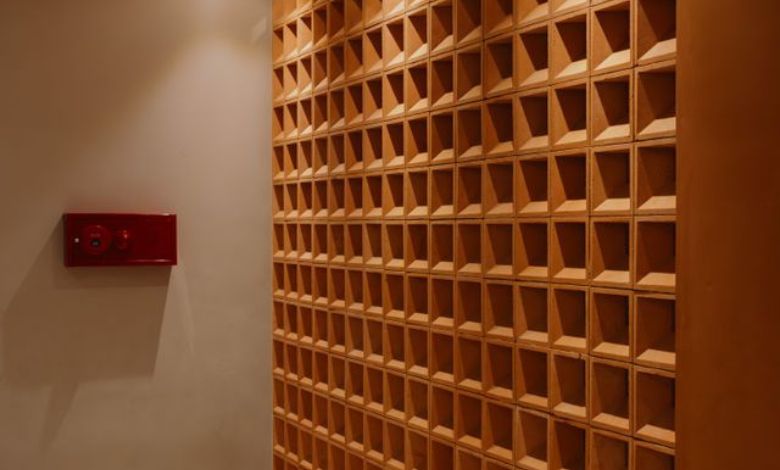
Fluted Wood Wall Panels
Flute adds three. Architectural interest While you transport warmth to a room.
The repeated vertical grooves create shadows that change everywhere. The day to produce the wall feels almost alive.
Try turning it around. A television, dining surface, headboard, etc entryway console.
Best for: Modern And contemporary homes Observe: Warm, Structure, construction
Wood Slat Walls
Wood slat walls There is another one excellent choice If you require texture. A modern edge.
The individual slats produce rhythm and dimension without creating the room feel too busy. They may also facilitate explanation. An area is an open- concept home.
For demonstration a wood slat wall can distinguish a living area from a dining room without building an actual wall.
Grasscloth Wallpaper
Grasscloth brings natural texture to a room through woven fibers.
It’s significant, tactile appearance and especially dining rooms, bedrooms, home offices, and sophisticated living spaces.
One thing I love about natural woven materials is that they don’t analyze the same, and this is it. Part of their attention.
Linen Textured Wallpaper
If the grass cloth feels a little too rustic, linen- look at wallpaper . They offer a softer alternative.
Gives subtle texture Without coercion the room And pair it beautifully. Neutral colors, Natural wood and upholstered furniture.
It’s a great option when you want your walls to be nothing, making them the star of the show.
Board-and-Batten Walls
Board And played is a classic wall treatment In which work is in progress. Modern homes.
It creates a structure, dimensional pattern By using vertical boards And horizontal rails.
Best for: Bedrooms, hallway, dining room, and entryways DIY potential: high Style: Traditional, temporary, modern farmhouse
Paint the entire treatment one color for a sophisticated look, or use contrasting colors for more visual drama.
Wainscoting
Wainscoting texture and architectural detail To the lower portion of a wall.
It’s especially useful if you want to add characters without a veil. The entire surface.
Couple white wainscoting with a colored upper wall to a classic look, Or paint everything the same shade to something more contemporary.
3D Wall Panels
Wishes a wall What makes individuals conclude and analyze?
Three- dimensional wall panels can make geometric patterns, waves, wrinkles or sculptural effects.
They’re particularly effective accent walls in living rooms, bedrooms, offices, and entertainment spaces.
Just remember: a dramatic texture usually works best. One focal wall instead of every wall in the room.
Stone Veneer
Stone veneer Introduced immediately natural texture.
It can create a rustic fireplace surrounding a dramatic living- room accent wall, or a cozy entryway.
To smaller rooms, However, I would be careful not to employ too much. Heavy stone patterns across large areas. Sometimes less really is more.
Exposed Brick
Exposed brick The rest is a favorite For industrial, rustic and urban inspired interiors.
If you are lucky enough. Original brick underneath existing finishes, restoring it can be created. An incredible focal point. Brick- favor materials can also be rebuilt. The effect where original masonry is not available.
Microcement Walls
Microcement offers an efficient, minimalist appearance with subtle texture.
It’s Especially popular in modern and contemporary interiors and can be creative with a sleek concrete- like aesthetic.
Because moisture resistance, substrate preparation, and installation technique matter, this is usually better experienced installers.
Tadelakt
Tadelakt is a traditional Moroccan plaster finish Known for its smooth, gentle textured analysis.
It can create a beautiful spa- like atmosphere, especially the bathrooms and other spaces where a mineral, handmade aesthetic is desirable.
Always confirm it. The specific product and installation method is suitable for the room’s moisture conditions.
Textured Wallpaper
Sometimes the easiest way is just to use wallpaper to add texture.
Modern textured wallpaper linen, plaster, grass cloth, concrete, wood and other materials.
This makes the wallpaper particularly useful when you require it. The visual effect Without further ado complicated construction project.
Fabric Wall Panels
Fabric panels Include both visual and tactile softness.
They’re especially interesting for the bedroom, home offices, reading area, and media rooms where you desire a cozy and layered feeling.
Consider about them the wall equivalent to include a soft throw blanket to a sofa.
Picture-Frame Molding
Picture- frame Generate a list of elegant geometric sections across the wall.
It works beautifully in dining rooms, bedrooms, hallways and more. Formal living spaces.
The trick To maintain the proportions consistent So the pattern Seems deliberate rather than randomly distributed.
Rag-Rolled Walls
Rag rolling is an old- school painting technique which creates gentle variation by using a cloth.
It could be a relatively affordable DIY option for homeowners who aspire to something more exciting. Ordinary flat paint.
Use subtle colors to a sophisticated effect Quite extreme contrasting shades.
Sponge-Painted Texture
Sponge painting Many can create a patchy, layered analysis. Little equipment.
It’s cheap and available. The finished result strongly depends on color selection and technique.
If you try this yourself, practice on a piece of cardboard or scrap drywall first. Trust me, five minutes of testing can preserve you from staring. A questionable wall for five years.
Decorative Plaster
Decorative plaster Offers approx endless possibilities.
Depending on the technique, you can get irregular, smooth, brushed, troweled, aged or stone- like effects.
This is one good choice If you desire a handmade wall that feels unique rather than mass- produced.
Cork Wall Panels
Cork is an interesting option for homeowners who want something natural and unexpected.
Its texture adds warmth, and can be particularly charming. Home offices, Creative rooms and reading rooms.
The organic appearance fits well with wood, neutral colors, and plants.
Ribbed Wall Panels
Makes ribbed panels. Repetitive vertical texture similar to walls, but can be made from it. A variety of materials.
They work particularly well behind beds, consoles, TVs or dining areas.
They’re also useful when you need to emphasize. The height of a room because vertical lines draw the eye upward naturally.
Concrete-Look Walls
You don’t necessarily need to. Real concrete To achieve an industrial aesthetic.
Concrete- effect paint, wallpaper, panels, and specialty finishes can construct a similar visual impression with less structural work.
This look works particularly well with black metal, leather warm wood, and minimalist furniture.
Painted Wall Paneling
Paneling does not have to be permanent. Natural wood.
I paint panels a single color creates a sophisticated architectural effect When you allow the texture and shadows to do the visual work.
Complex, earthy and muted colors can establish it particularly dramatic.
Rustic Textured Walls
Finally, don’t ignore the charm of an imperfect wall.
Support- applied plaster, distressed finish, reclaimed wood, brick, etc rough stone Can create a comfortable environment.
The goal is not perfect. It’s The character
Textured Wall Finish Ideas by Room
Choosing the finish is only half the challenge. The other half is figuring out where to use it.
Living Room
For living rooms, consider:
- Venetian plaster
- Limewash
- Fluted wood
- Stone veneer
- Grasscloth
- Board-and-batten
A fireplace wall, Media wall, or wall behind the sofa It often is an excellent place for structure.
Bedroom
Bedrooms Generally acquire advantage softer treatments:
- Roman clay
- Limewash
- Grasscloth
- Linen wallpaper
- Fabric panels
- Wood slats
A textured headboard wall can create a cozy focal point without needing additional artwork.
Dining Room
Excellent for creating a dining facility. A stronger design statement.
Consider. Venetian plaster, Grass cloth decorative molding, Textured wallpaper, or dark wood Panel
Bathroom
Bathrooms Appreciate plaster, can work beautifully with stone, tile or micro- cement- inspired finishes, but moisture resistance should always be a priority.
Never choose. A finish Just because it looks superior. A photo. Check again the specific material suitable for your bathroom and monitor the manufacturer’s installation requirements.
Entryway
Your entryway is your home’s first impression, so it is a great place. Be a little brave.
Ribbed panel, arrangement and batten, stone, textured wallpaper or decorative plaster can equalize a small entry that feels intentional.
How to Choose the Right Textured Wall Finish
Not assured which option is appropriate for you? Establish four simple questions.
Do You Want Subtle or Dramatic Texture?
Choose a lime wash, Roman clay, or linen wallpaper to subtle texture.
Pick a rock, 3D panels, or dramatic wood treatments for something more noticeable.
Are You Doing It Yourself?
Limewash, simple casting, some wallpaper, and basic painted treatments can be approachable DIY projects.
Complex Venetian plaster, microcement, stone installation, and specialized plaster finishes may be necessary professional expertise.
What Is Your Budget?
Simple paint techniques are generally the least expensive. Wallpaper And the molding sits. The middle, While specialty plaster, Stone, and professionally installed architectural treatments Can cost quite a bit more.
Actual costs I the U. S. Varies based on location, material quality, condition of the wall, project size, and demanding work.
How Much Maintenance Can You Handle?
A beautiful finish If it is not appropriate, it is not very useful for your lifestyle.
To high- traffic areas, Children, pets or moisture- prone rooms, Consider durability and cleanability Before you choose a delicate finish.
DIY vs. Professional Installation
One of the biggest mistakes homeowners make is assuming that each textured wall is a simple weekend project.
Some are.
Some really aren’t.
If the finish is necessary, extensive surface preparation, specific tools, multiple coats, Accurate application, sealing, etc moisture management, Recruitment a professional Currency can be well spent.
But on the other hand, simple lime washing, paint molding, some wallpaper applications, and basic paneling can be beneficial DIY projects if you have the time and patience.
When in doubt, test. The finish: But a small area first.
How Much Do Textured Wall Finishes Cost?
The cost of a textured wall can vary considerably. The United States.
Material choice, wall size, surface preparation, Geographical location, frequency of activity, and installation complexity All affected the final price.
As a general comparison:
| Finish | Relative Cost | DIY Potential |
| Basic paint techniques | $ | High |
| Limewash | $$ | High |
| Textured wallpaper | $$ | Moderate |
| Board and batten | $$ | High |
| Grasscloth | $$$ | Moderate |
| Wood slats | $$$ | Moderate |
| Venetian plaster | $$$$ | Low |
| Stone veneer | $$$$ | Low |
| Microcement | $$$$ | Low |
Treat these as relative categories rather than fixed U.S. prices. Getting local estimates is the best way to determine the actual cost of your project.
Common Textured Wall Mistakes to Avoid
Using Too Many Textures
If your room already contains patterned rugs, bold furniture, and elaborate artwork, adding several competing wall textures can quickly become visual overload.
One strong texture is often enough.
Ignoring Lighting
Texture interacts with light. A wall that looks subtle in a showroom can appear much more dramatic under direct sunlight or evening lighting.
Always test samples under the lighting conditions you’ll actually use.
Choosing Texture Without Considering the Room
A heavy stone treatment might look fantastic around a fireplace but overwhelm a small bedroom.
Think about scale.
Skipping Wall Preparation
Some textured finishes reveal imperfections instead of hiding them. Make sure the wall is properly prepared before applying the finish.
Texturing Every Wall
You don’t need texture everywhere.
An accent wall can often have more impact because the surrounding flat surfaces give the textured treatment room to stand out.
Frequently Asked Questions
Are textured walls still popular?
Yes. Modern textured walls have moved well beyond traditional heavy wall texture. Homeowners are increasingly using plaster-inspired finishes, limewash, natural fibers, wood, molding, stone, and dimensional panels to introduce warmth and depth.
What is the easiest textured wall finish to DIY?
Simple paint-based techniques, some limewash products, basic molding, and certain wallpapers can be approachable for DIYers. Always follow the product’s specific preparation and application instructions.
What is the cheapest way to add texture to a wall?
Paint techniques and simple molding are often among the most budget-friendly approaches. The exact cost depends on the wall size, materials, and whether you’re doing the work yourself.
What textured wall finish is best for a bedroom?
Limewash, Roman clay, grasscloth, linen-look wallpaper, wood slats, and fabric panels can all create a warm bedroom atmosphere.
Is Venetian plaster better than limewash?
Neither is universally “better.” Limewash generally creates a softer, more casual appearance, while Venetian plaster can provide a more polished, luxurious effect. Your desired style, budget, maintenance expectations, and installation requirements should determine the choice.
Can textured walls make a small room look smaller?
They can, particularly when the texture is very heavy or visually busy. In smaller rooms, subtle textures, lighter colors, and strategically placed accent walls can help maintain an open feeling.
Can you texture over existing painted walls?
Sometimes, yes, but it depends on the condition of the existing surface and the specific finish you’re applying. Proper cleaning, repairs, priming, and preparation may be necessary.
Final Thoughts
- When I first started thinking about textured wall finishes, I assumed the choice would come down to a handful of traditional options.
- The deeper I looked, the more I realized that texture is less about a particular material and more about how you want your room to feel.
- That’s the part I find most exciting.
- A soft limewash can make a bedroom feel calm.
- Warm wood can make a modern living room feel less sterile.
- Grasscloth can bring an organic quality to a dining room, while Venetian plaster can turn a simple fireplace wall into a genuine focal point.
- You don’t need to texture every wall.
- You don’t even need a huge renovation.
- Sometimes one thoughtfully finished wall is enough to make the entire room feel different.
Additional Resources
- Architectural Digest — What Is Limewash Paint?: Explains limewash, its soft chalky appearance, historical use, and how it creates subtle depth and movement on walls.
- Portola Paints — Roman Clay Series: Provides detailed information about Roman clay, including its plaster-like appearance, application technique, suitable surfaces, and maintenance.
- Portola Paints — Roman Clay Technical Data Sheet: Offers technical guidance on preparing surfaces and applying Roman clay correctly.