
Explore the types of pliers, common uses, and expert tips to pick the right hand tool for DIY, electrical, and plumbing work.
If you have ever opened a toolbox And so a row of pliers that all look Just prefer that, you are not alone. I’ve been there too. But at first glance, it is easy to think any pair will do. Then the wrong tool slips, bends, scratches or just builds the job harder than it needs to.
It is therefore understanding the types of pliers that matters. These tools are not general grab-and-go hand tools only. They are essential for DIY projects and many specialized tasks. They are designed for specific tasks such as gripping, bending, cutting, holding, crimping and working. Tight spaces. Major manufacturers classify them into families, I. E combination pliers, diagonal cutters, Fuse pliers, shrinkage pliers, Catcher pliers, water pump pliers, and management tools electrical work.
But a glance: Most of all useful pliers To ascertain out If you are trying to erect a practical toolkit, These are the names that come up most Often:
- Slip- joint pliers to general gripping work
- Needle- nose pliers to tight spaces
- Combination pliers For all purposes
- Tongue- and- groove pliers to larger gripping jobs and plumbing
- Locking pliers To hug and hold
- Lineman’ s pliers For electrical and extensive- duty wiring work
- Diagonal pliers
- Crimping to uncontaminated the wire pliers for the contact
- Cut the end pliers to flush cuts
- Round nose and flat- nose pliers For jewellery, crafts and wellbeing- related tasks
- Circlip pliers To keep the rings
What are pliers Used for?
Pliers are built around influence. That is to assert the whole magic trick. They facilitate your application. More force with less effort, which does it easier to grasp, bend, twist, cut, hold and shape materials.
I real- world work, that is, to draw a stubborn fastener, bend wire into shape, hold a part steady, or cut cable without fighting it the whole way.
That versatility Therefore pliers Show in it many toolkits. KNIPEX and other major toolmakers group them because of the feature the jaw shape, cutting edge and handle design changes the way the device performs.
What do pliers look like? The main parts
Most pliers share the same basic structure, even when the jaws are very different.
Jaws
The jaws are the working end of the tool. Depending on them, they can be jagged, smooth, conical, round, flat or shaped for cutting. The type.
Cutting edges
Many pliers have hardened cutting sections near the pivot. These are designed for wire, cable or small metal pieces.
Pivot point
The pivot is the central joint It allows the tool Initiate and close while multiplying the power.
Handles
Handles Create utility and comfort. Many are coated for grip, and some are insulated electrical safety.
Spring mechanism
Some pliers Including a spring It helps the jaws Automatic reopening, which is useful during repetitive tasks and reductions. Hand fatigue.
The quality of these parts affects durability, grip strength, precision and comfort. It is therefore forged, heat treated construction and well designed. Handles are very important professional hand tools.
The main types of pliers And every one did one do
1) Slip- joint pliers
Slip- joint pliers is one of the most common household styles. Their adjustable axis allows. The jaws establish wide or focused, as does them useful to capture different sizes of bolts, nuts etc small pipes.
They are a dependable general- purpose option And often the first pair many people Procure for home repairs. They are simple, practical and flexible.
2) Needle- nose pliers
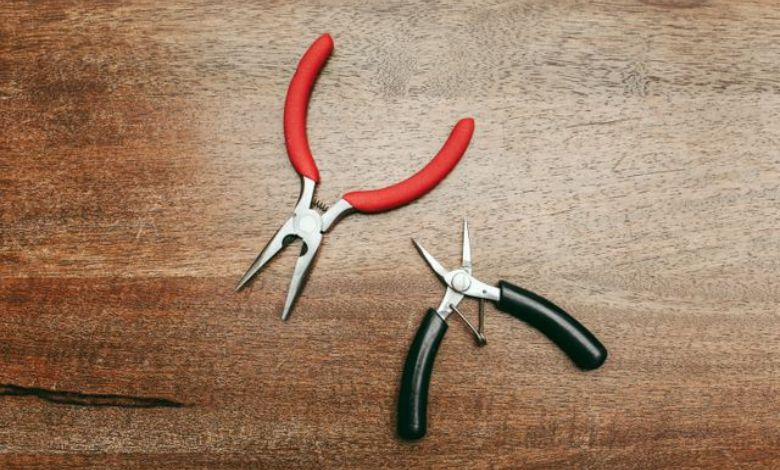
Needle- nose pliers Tall, thin jaws It made them ideal for tight spaces. They are especially useful when you need to catch up. Small objects, bend the wire, or now. Cramped areas.
This is the “precision” category of pliers. They are not made for that. Brute force. They are designed for control.
3) Combination pliers
Combination pliers are among the majority versatile plier types. They are usually combined. A gripping section with a cutting edge, which makes them useful to many everyday tasks.
Major tool manufacturers place combination pliers But the center of Their pliers Because of families they are Practical, adaptable and widely used. Trades and home repair.
4) Tongue- and- groove pliers
Tongue- and- groove pliers, It is often said that water pump pliers or channel- lock style pliers, are made for strong gripping power. Two of their adjustable tracks have the jaws locked in different positions, which makes them particularly useful. Larger pipes, sliding fittings, and stubborn fasteners.
CHANNELLOCK describes Appreciate this category as its signature pliers Line and highlights multiple jaw styles, including straight jaw, V jaw, smooth jaw, And other variants.
5) Locking pliers
Locking pliers Designed to be tight a material and stay locked in place. That locked grip That is what is very useful for them holding metal Welding, during removal stripped bolts, or acting as such a portable vise.
Klein’ s hand- tool guidance Also hardens locking. Pliers Seam is a combination grip- and- clamp tool, Because of that they are very simple repair and fabrication work.
6) Lineman’ s pliers
Lineman’ s pliers These are considerable tasks pliers It is widely used electrical work. It is made with strong jaws and cutting edges so they can bend, stretch, grab and cut. Thicker wire.
Because they are sturdy and dependable when the work gets challenging, many electricians keep these pliers close at hand. Klein And other professional tool makers Their position as essential wire- handling tools.
7) Diagonal pliers
Diagonal pliers, Also called wire cutters, Designed to cut wires, cables, and zip relationship clearly. Their angled blades facilitate trimming. Material close To the surface.
Klein Note that diagonal- cutting pliers They are made for cutting, not for use. A substitute to another tool. They are particularly useful for cleaning, flush cut matters.
8) Shrinkage pliers
Shrinkage pliers Connectors or terminals are designed to connect wire ends. They are widely used in power and telecommunications plants.
KNIPEX places shrinkage pliers in its main product families because they Wiring and I engage a specific and important role. Connector work.
9) Conductor pliers
Conductor pliers are designed for electrical safety. OSHA says that Mosul hand tools I am required. General industry When working near exposed live conductors or circuit parts. This creates isolation. Pliers An important choice for the right electrical tasks.
This is one Most of all important points in the whole article: When the power is on, the right tool It’s not just about convenience. It’s about safety.
10) Round- nose pliers
Round- nose pliers Especially jewellery- making, needlework and precision wire work. Their goal jaws Help to create loops and smooth bends In the wire They are small, specialized and very useful when the project depends on neat curves.
11) Flat- nose pliers
Flat- nose pliers are expansive, flat jaws which help to grip the material without much surface damage. They are useful for holding, flattening and shaping wire. Thin metal pieces.
They are a strong choice when you need control but don’t want to depart intensive traces.
12) Cut the end pliers
Cut the end pliers place the cutting edges but the end of the jaws. He makes them. Them useful For cutting nails, rivets, screws or rivets wire close To the surface.
Klein’ s tool guidance The end also refers to cutting. Pliers Seam a good option For flushing or close trimming jobs.
13) Circlip pliers
Circlip pliers are specialty tools Used to install or remove retaining rings, also known as snap rings. These rings I’m ordinary mechanical assemblies and vehicle work.
KNIPEX Lists circlip pliers Seam a dedicated category, which is a good reminder that some pliers Made for many. Specific mechanical tasks.
How many types of pliers It exists
There are several types. Most people expect a home toolkit, A few basic styles are usually sufficient. For electrical, plumbing, automotive, industry or craft work, the list will be very long.
That is why the real question is not “How many do they exist?” The better question is, “Which one fits this work?”
What you should consider when buying pliers
Material and construct quality
Choose forged and heat- treated steel whenever achievable. Good construction generally means better durability and longer service life. Klein’s care guide also warns. Against misuse Like cutting rigorous wire ordinary pliers or exposing cutting pliers To excessive heat.
Ergonomics
Comfortable, anti- slip handles less hand fatigue And improve under control repetitive work.
Jaw configuration
The jaw shape should convene the task. The catch jaw is not the same. A cutting jaw, And not the same as a healthy jaw. A heavy- duty jaw.
Size and leverage ratio
Longer handles can create more force, while smaller tools can present better control in tight spaces.
Safety to electrical work
If you work around live circuits, Leading tools are critical. OSHA guidance clarifies general industry electrical conditions.
Which pliers belong to a basic toolkit?
If you create a starter set, These are the majority practical choices:
- Slip- joint pliers to general gripping.
- Needle nose pliers to detail work.
- Combination pliers For all purposes.
- Diagonal pliers to cut.
- Locking pliers for clamping.
- Tongue- and- groove pliers And for plumbing larger gripping tasks.
- If you do electrical work, add lineman’ s pliers, shrinkage pliers, And conductor pliers.
A toolkit doesn’t need to be big. It must be useful.
Common mistakes people Team up pliers
One of the biggest mistakes is using the wrong pliers to the job. Another handler. Pliers prefer a wrench, Torture pry bar, or cutters too tough material they were never designed to handle.
Klein specifically warns users not to cut hardened wire with ordinary pliers unless the tool recommended for that purpose, And not to use pliers Seam a substitute For tools with greater leverage or different cutting capacity. That advice is vital because bad tool choice Both can be injured. The tool and the workpiece.
FAQs
Q. What are the five types of pliers?
Most of all common broad categories Including needle nose, Cutting, slip joining, locking, etc groove- joint pliers.
Q. Most used pliers?
Combination pliers and needle- nose pliers are among the most widely used home repair and trade work.
Q. What are those small pliers called?
They are usually called needle- nose pliers or precision pliers.
Q. What is heavy duty? Pliers Called?
Lineman’ s pliers And high- leverage pliers Generally understood heavy- duty styles.
Q. What do electricians ring pliers?
Electricians normally use lineman’ s pliers And combination pliers.
Q. What pliers are they the best to catch?
Tongue- and- groove pliers and locking pliers The offer strong gripping power.
Q. What are the safest pliers to use?
To electrical work Near exposed live conductors or circuit parts, conductor hand tools is the correct choice in general industry settings.
Q. What are universal pliers?
Universal pliers is another name often used for combination pliers.
Q. What are vice grip pliers called?
They ‘re called locking pliers.
Q. What are groove pliers called?
They are usually called tongue- and- groove pliers or water pump pliers.
Q. What are multi- grip pliers?
They are adjustable pliers with multiple jaw Positions for different sizes.
Q. Do you lock pliers?
They are pliers that lock in position Lock items securely.
Q. What are bail pliers?
They are specialty pliers Used to create uniform wire loops, Especially in jewelry production.
Key Takings
Pliers It just isn’t a simple tool. These are precisely designed tools for gripping, cutting, bending, squeezing and detailed assembly work. Once you understand the different types of pliers, it will be very easy to choose the right tool, act fast and escape unnecessary mistakes.
A good toolkit is not about ownership of every pair available. It’s about being. The right pair to the job in front of you.
Additional Resources
- KNIPEX: Types of pliers and tool families.
- CHANNELLOCK: Tongue-and-groove pliers and jaw-style options.
- OSHA: Guidance on insulated hand tools for electrical safety.