

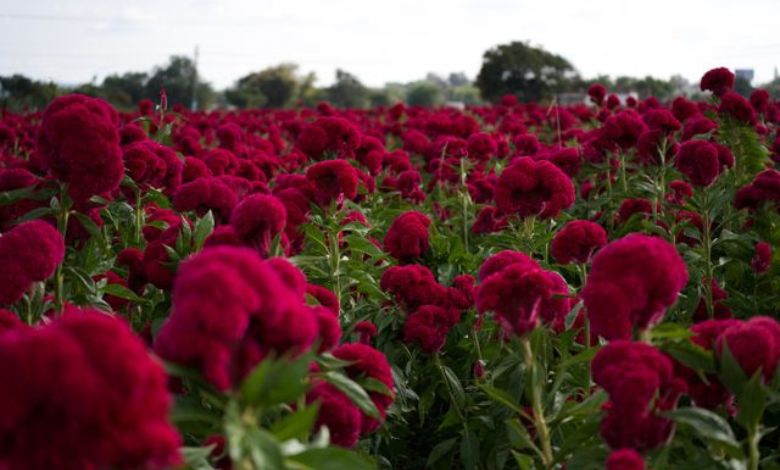
Celosia Dragon’s Breath adds bold color with easy care. Learn planting, watering, sunlight, and growing tips for success.
If you aspire to a plant One that looks dramatic, handles heat well and is not demanding. A complicated care routine, The Seleucia Dragon breath One is easy one This is to appreciate a warm-season annual in the amaranth family, Native of Africa, And this is especially valuable its red-green foliage And bright scarlet flower plumes.
In the right setting, it adds instant energy to garden beds, borders, containers, and seasonal displays. The best part is that it delivers all the color without acting like a diva, making it a perfect choice for DIY gardeners who want a bold, low-maintenance landscape.
To many U. S. Gardeners, this plant gives a lot of response to specific needs: They aspire for something bold, reliable and easy to maintain hot weather. Of the dragon Breath Fits that need Well, it’s blooming. Full sun, Likes well-drained soil, tolerates drought once established, and blooms in summer and autumn until frost.
LSU AgCenter Lists as a low-maintenance, Heat-and drought-tolerant bedding plant with upright growth And long-lasting flowers.
What is celosia dragon’s breath?
Celosia dragon’s breath is a cultivar of celosia, Especially of the plied variety. Sakata is a red plant with an upright habit that is used in beds, landscaping, and containers. It belongs to the Celosia argentea plumosa group. This makes it more than just a pretty annual. This is a strong visual plant with practical landscape value.
The flowers are the ones who usually get it. Attention first. They get up. Above the foliage In broad, tapering spikes that look almost like a flame, that’s why. This plant I stand out as primary. A garden center.
But the foliage matters too. The leaves start olive green and develop red tones, and that color darkens in the heat, humid weather. So before the plant blooms Absolutely, it already has ornamental value.
Why do gardeners apply? this plant
People Search in general celosia dragon’s breath Because they Want to acknowledge if it’s really worth buying? The answer Generally yes, especially if the goal is advanced impact seasonal colour low maintenance.
This plant works well in borders, mixed beds, patio pots, and mass plantings. It also works well. A cut flower, which gives it too much value to home gardeners who value to use fresh blooms indoors. That also solves this. A common summer problem: When to plant what? The weather is getting hot and many flowers are beginning to wither.
Dragon’ s Breath handles warmth far better from many tender annuals, and Sakata even notes that warmer conditions accelerate its red color. That is to declare the plant just doesn’t survive the heat. It actually looks better because of it.
The plant size and growth habit
This celosia one is ready, upright shape It does it easy to use in home landscapes. LSU AgCenter listings. The plant is about 2 feet tall And 15 To 18 inches wide, While Sakata Lists a similar size range of 24 inches tall And approx 16 inches wide.
In both cases, the plant remains compact enough for containers, but long enough to generate a strong vertical accent. That growth habit is one. That’s why it works so well. A border plant or as the thriller in a container design.
It adds height without being heavy, and adds color without needing it. A huge footprint. If you have ever used a plant for which it seemed good. A week And then disappeared the background, This one is the opposite. It remains visible.
Best growing conditions
The best home to celosia dragon’s breath is a spot with full sun and well-drained soil. LSU AgCenter Recommend full sun, And NC State expansion also describes Seleucia. A full-sun plant which does best in well-drained soil and does not like it. Wet feet.
In practical terms, that means six to eight hours of direct light every day is the safest target for strong growth and vivid color. Soil drainage matters. I just prefer sunlight. LSU Recommends well-drained soil with a pH of 5.5 To 6.5, And note that the plant can handle a range of soil moisture As long as the surface of the soil Does not get wet.
This is important because root rot can develop. The crown Or the roots settle down. Wet soil too long if your garden retains water after rain, improves drainage before planting.
When to use it
The plant Dragon’ s Breath In the following spring the danger of frost has passed. Being a warm-season annual, it can be slowed down or harmed by little weather, so timing is crucial. When the nights are warm, it settles down faster and construction starts. The display is known for. One interesting feature of this plant is its relationship with day length.
LSU notes that blooms can change depending on when. The plant is appointed, and that spring plantings can bloom until the days are long, so push. New foliage before opening again as the day gets shorter.
Summer plantings can extract color in autumn. He makes them. The plant feels a little more dynamic than a one-note annual. It can play. A spring role, Summer grade, or an autumn role depends on the phase.
Watering and accommodation
Young plants need regular watering approx seven To 10 days While they After that, set Dragon’ s Breath Becomes very forgiving. LSU They say it works dry conditions Once established, and Sakata also describes it as suitable for heat, dry conditions After messing with it an useful choice For gardeners who don’t aspire color. Constant watering chores.
The key: Don’t confuse drought tolerance with negligence. Once the plant is established, it can handle dry spells better from many annuals, but it will still look better if there is thorough water under its long hot stretches. Shallow, frequent watering is less helpful than stable thoughtful irrigation. Strong roots usually occur. A strong start.
Fertilizer and mulch
This plant It is not necessary heavy feeding. LSU recommends adding 1 to 1/2 cups of compost. One-third Of the label rate to support strong stems And good flower production. Sakata also emphasizes this. The variety does not need much fertilizer.
This is useful because overeating can sometimes cause weak growth instead of stronger color and structure. Mulch Can help, e. G landscape beds. LSU recommends applying. Mulch about the base of the plant To help retain moisture And strain the herbs.
Sakata Adding an important caution: don’t allocate mulch stir the stem, Because it can grow the risk of stem This is the form a small detail, But with Seleucia, small details The case.
Deadheading and season-long color
Deadheading expenses are not mandatory, but they are a smart habit. LSU recommends keeping it. The plant looks clear and motivated more flowers. If you aspire for a tidy display through the season, this one can establish a visible difference.
The flowers themselves are durable, and LSU notes that they begin and continue to bloom in summer after the first frost. It is the window with a long flower. One of the biggest reasons gardeners like this plant. Gives strong return Relatively small amount of effort.
Where will it be used in the landscape?
This is a versatile plant, which is a big part of its appeal. LSU recommends. Celosia dragon’s breath to borders and containers, And Sakata List beds and landscaping as critical uses.
Because of its upright habit and bold color, It can employ a focal point or as part of a larger color scheme. Works well for me too. The thriller-filler-spiller method of container design.
In that role, Gives dragon breath. The pot height and drama, While lower plants fill around it and the back plants will be gentle around the edges. If you require one plant to do the“ look I have a job a container, This one It does well.
Cut flower value
Another reason people favor this plant It is also useful indoors. LSU They declare the blooms are good fresh or dried cut flowers, And NC The state also recognizes Seleucia. a useful cut flower.
Strong form and deep color make it a nice fit For events, especially when you want something that feels a little more unusual than a standard annual bedding. If you arrange flowers at habitat, Dragon’ s Breath can go well with warm toned companions and ornamental grasses.
Berries move, and the foliage increases wealth. That combination makes the plant feel special instead of just colorful.
Common problems to see
The biggest problem With celosia, there is often too much moisture. LSU notes that the root may rot if the soil stays wet, and Sakata’ s culture guidance also warns against stem rot if mulch is laid to finalize. The plant. Good drainage, correct distance, and careful watering solves most of these issues before they start.
Another common mistake: Investing in it too much shade. The plant can survive in less than perfect light, but it does well. Full sun. If the color appears faint or the growth appears diffuse, sun exposure should be the first thing you check. NC State and LSU Both clearly support it. To weed control, LSU advises caution with herbicides around celosia.
It notes. That preemergence herbicide information is limited to Celosia argentea, and every product should be tested. A small area first if necessary. It also warns. That postemergence sprays Do not contact. The plant’ s shoots or plants. If using, follow the label carefully. Any chemical weed control nearby.
Is celosia dragon’s breath annual?
Yes, most U. S. Garden celosia dragon’s breath is treated as an annual. Sakata shows it as annual, and NC State describes Seleucia as a tropical herbaceous annual native To Africa.
Frost-free or in many mild climates, It could go on longer, but for most gardeners, It should be planned like this as a seasonal plant instead of a permanent one.
KeyTakings
If you aspire to a plant which brings bold color, strong structure, and a long season of interest. That too without asking much care, Seleucia is the dragon’s breath. A smart choice. I perform best. Full sun, Well-drained soil, and warm weather.
It is drought tolerant once established and gives you both foliage and flowers, and works beautifully in borders, beds, containers, and cut arrangements. For gardeners who desire something dramatic that still feels easy, It kills the plant’s mark.
Additional Resources
- LSU AgCenter: Dragon’s Breath Celosia: planting, spacing, and care guidance.
- Sakata Ornamentals: Dragon’s Breath product page and culture information.
- NC State Extension Gardener Plant Toolbox: Celosia: sun, soil, and general growing basics.